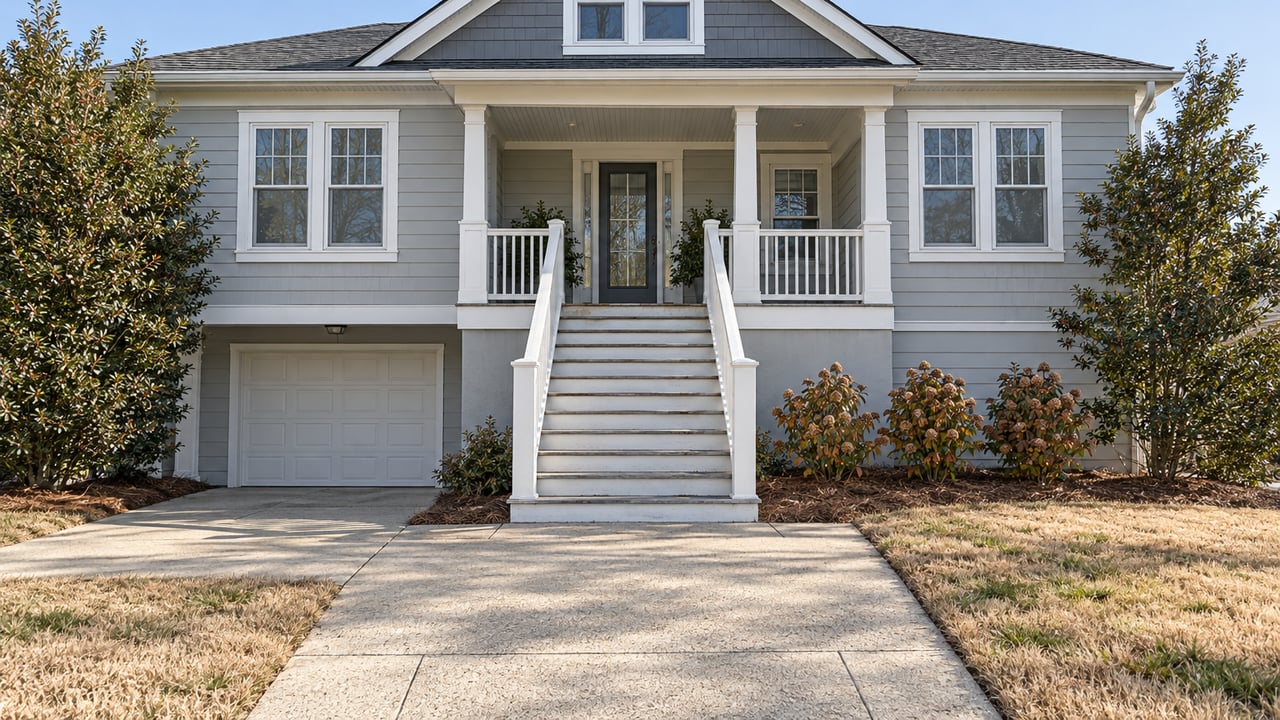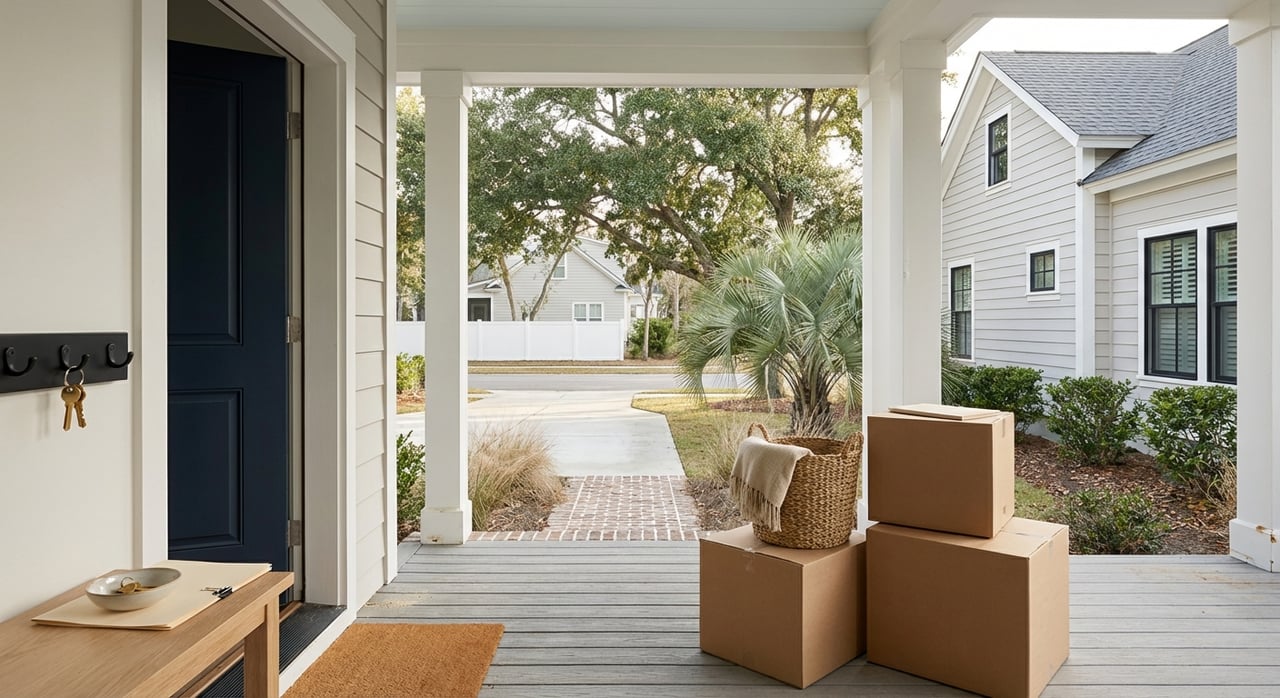
Thinking about a move to Wilmington, North Carolina? You are not alone. The Port City blends riverfront charm, beach access, and short commutes, which makes it a favorite for families, professionals, and second‑home buyers. If you are relocating from out of town, you want a clear plan, reliable local links, and a checklist that keeps stress low.
This step‑by‑step guide gives you a realistic timeline, key tips for coastal homes, and the exact utility and DMV resources you will need. You will also get quick neighborhood snapshots and a move‑week checklist so nothing slips through the cracks. Let’s dive in.
Why Wilmington works for relocators
You get city conveniences with a coastal feel. Wilmington sits between the Cape Fear River and nearby barrier‑island beaches, and it offers a growing job base, a regional hospital system, and easy flight connections. Wilmington International Airport is roughly a 10–15 minute drive from downtown, which is helpful when you are scouting homes or flying in for closing. Check current routes and travel info on the Wilmington International Airport overview.
- Airport reference: see this practical overview of ILM flights and travel details.
- Commutes: U.S. Census QuickFacts reports a mean travel time to work of about 21 minutes for Wilmington city, which helps you weigh neighborhood options and daily drives (data as of 2024). View Census QuickFacts.
- Sales tax: plan for a combined rate around 7.0 percent in Wilmington and New Hanover County. See Wilmington sales tax basics.
- Hurricane season: the Atlantic hurricane season runs June 1 through November 30. Build in extra time for inspections and moves during that window, and ask about wind and flood coverage. Review season dates with NOAA.
Your step‑by‑step relocation timeline
3–9 months out: research and budget
Start by narrowing neighborhoods. Map your likely commute, proximity to beaches like Wrightsville, Carolina, and Kure, and the everyday services you want nearby. Save listings and set alerts that match your price range and bedroom needs.
Build a full budget. Add estimated property taxes, homeowners insurance, and any wind or flood policy a coastal property may require. Include the local sales tax rate for everyday purchases and services so there are no surprises.
If schools matter to you, verify school assignment by address through official channels. Keep the language neutral and focus on commute, services, and access to programs that fit your plans.
2–6 months out: plan a scouting trip
Book a 2–4 day exploratory visit. Spend time in 2–3 target neighborhoods and include both a weekday and a weekend to sample traffic and daily routines. If you are coming by air, the convenience of ILM makes quick trips easy for buyers.
Meet a local agent and tour several homes that bracket your target price. If your visit falls during hurricane season, watch the NOAA hurricane outlook and allow extra time for inspections or schedule shifts.
4–8 weeks before making offers
Get a pre‑approval letter from a lender that supports e‑signatures and fast appraisal scheduling. Ask your agent to confirm the details that matter here: flood zone status, any HOA rules, typical utility costs, driveway or parking notes, and local school assignment process if relevant to your move.
Review floodplain information and elevation certificates for homes near waterways. If a property is in a FEMA‑mapped flood zone, a lender may require a flood policy, so verify early and price it into your offer.
Under contract: do these first
- Closing attorney: In North Carolina, closings commonly involve a closing attorney or an attorney‑supervised settlement agent for title review and the closing itself. Confirm your closing attorney early and review how you will handle remote signing and funds. Learn more about attorney involvement in NC real estate through this state legal practice reference.
- Utilities: Submit start or transfer requests as soon as you have a firm closing date. For water and sewer, use CFPUA’s online forms, including the Seller Closing Disclosure to avoid billing gaps. For electric, schedule service with Duke Energy’s Start, Stop, Move. For internet, check availability and pre‑book install dates through local providers listed on BroadbandNow’s Wilmington page.
- Inspections: Choose inspectors with coastal experience. Ask for roof and wind assessments, HVAC and moisture checks, and septic or sewer lateral inspections where applicable. Request any available elevation details and confirm flood insurance needs.
72–48 hours before closing
Confirm all utility transfers and final meter reads. If you used CFPUA’s Seller Closing Disclosure, make sure you receive confirmation so billing aligns with the closing date. Set up USPS mail forwarding and update your shipping addresses for key accounts.
If you are relocating from out of state, schedule DMV appointments now. New North Carolina residents generally have a limited window to get a state driver license and register vehicles, so plan ahead. You can review timing expectations in the NC driver handbook reference.
Move day and your first 30 days
Save final utility receipts and keep copies of your closing packet and wire confirmations. Register to vote, update your tax mailing address, and enroll children in schools based on your exact address.
Establish healthcare locally. The region’s primary hospital system is Novant Health New Hanover Regional Medical Center, which can help you identify primary care and pediatric options. Explore facilities through Novant Health NHRMC.
Neighborhood snapshots to guide your search
Downtown and Historic District
You will find walkable blocks along the Cape Fear River with historic homes, converted lofts, and condos near dining and arts venues. Expect a range of building ages and sizes. Parking rules and HOA or condo association details can vary by building, so review them early in your search.
Wrightsville Beach
This is the closest barrier‑island beach to Wilmington and a distinct submarket. Homes here vary from condos to luxury waterfront properties, and inventory can be tight. Discuss pricing dynamics and second‑home or rental patterns with your agent before making offers.
Carolina Beach and Kure Beach
These southern islands offer coastal living within a short drive of Wilmington. Expect typical beach‑town considerations like evacuation routes, flood zones, and seasonal traffic. Verify any short‑term rental rules by address and HOA.
Porters Neck, Landfall, and Mayfaire area
You will see newer master‑planned communities and some gated options, plus convenient access to main corridors. Homes often feature suburban lots and community amenities. Ask about HOA services, fees, and commute times to your workplace.
Ogden, Monkey Junction, and Castle Hayne
These inland areas offer a variety of housing types within a drive of downtown and the beaches. They are practical choices if you want more space per dollar compared with the barrier islands. Confirm commute windows and review flood mapping for addresses near waterways.
Coastal insurance, flood, and weather prep
Hurricane awareness is part of coastal living. The Atlantic season runs June through November, so plan inspections, closings, and moves with a little buffer during this window. Review the NOAA hurricane season basics and ask your insurance advisor about homeowners, wind, and flood coverage for your target home type.
If a property lies in a FEMA‑mapped flood zone, a lender may require flood insurance. Elevation certificates, venting, and mitigation steps can affect coverage and future permitting. Verify a home’s flood status early and price the right policy into your budget.
Utility and service setup cheat sheet
- Water and sewer: Start, stop, or transfer with CFPUA online forms. The Seller Closing Disclosure helps align billing at closing.
- Electric: Schedule start or transfer through Duke Energy. Be ready for a credit check or deposit policy.
- Internet and TV: Check address‑level availability and schedule installs ahead of move‑in using BroadbandNow’s Wilmington overview.
- Trash and recycling: Confirm your address’s pickup schedule with the city or county. Ask your agent which municipality serves your new home so you can plan bulky pickups and carts.
DMV, licenses, and vehicle registration
Once you establish residency, update your driver license and register your vehicles in North Carolina. Many state references note a limited window for new residents to obtain a license, so book appointments ahead of time. Review general timing guidance in this NC driver handbook reference and follow current instructions from the NCDMV office that serves your address.
Your 3‑day scouting visit plan
- Day 1: Drive through selected neighborhoods morning and evening. Meet your agent for a 90‑ to 120‑minute orientation tour of top areas and shortlists.
- Day 2: Do walkable checks for groceries, parks, and lunch spots. Sample your likely commute at rush hour and mid‑day. Note travel times, parking, and any HOA gates or access rules.
- Day 3: Revisit your top homes for longer stays. If you are close to making an offer, schedule inspector or contractor estimates for any key concerns.
Under‑contract checklist
- Order inspections with coastal and wind‑load experience. Ask for moisture, roof, HVAC, and if applicable, septic or sewer lateral checks.
- Confirm the closing attorney and tentative closing date. Exchange secure contact info for wire instructions and ask how remote signing will work. See NC’s attorney role in closings in this legal practice reference.
- Submit CFPUA’s Seller Closing Disclosure or a new‑service request to sync water and sewer billing at closing: CFPUA forms.
- Line up electric and internet to go live on your move‑in day: Duke Energy scheduling and BroadbandNow for availability.
Move‑week checklist
- Confirm final utility reads, connection dates, and access codes. Save emailed confirmations.
- Prepare for weather. During hurricane season, have a backup plan for travel or delivery timing.
- Bring originals of your closing documents and ID. Keep the closing attorney’s phone number handy to verify any wire instructions.
- Pack a first‑night kit: linens, basic tools, chargers, and pet supplies so you can settle in without hunting through boxes.
Ready to make your Wilmington move simple?
From remote video tours to utility timelines and smooth closings with local attorneys, you deserve a clear path home. If you are planning a move to Wilmington or New Hanover County, we are here to help you compare neighborhoods, line up trusted vendors, and move in with confidence. Connect with Living By The Coast Realty Group to start your relocation plan today.
FAQs
What is the average commute time in Wilmington?
- The U.S. Census QuickFacts lists a mean travel time to work of about 21 minutes for Wilmington city as of 2024; see Census QuickFacts for details.
When is hurricane season in coastal North Carolina?
- The Atlantic hurricane season runs June 1 through November 30, according to NOAA’s National Hurricane Center.
How do I start water or sewer service for a Wilmington home?
- For most addresses, use Cape Fear Public Utility Authority’s online forms to start, stop, or transfer service and to submit the Seller Closing Disclosure at closing.
Do I need a closing attorney to buy a home in North Carolina?
- North Carolina closings commonly involve a closing attorney or an attorney‑supervised settlement agent for title and settlement; see this state legal practice reference.
What is the sales tax rate in Wilmington?
- Plan for a combined rate around 7.0 percent for Wilmington and New Hanover County; see the Wilmington sales tax overview.
Which internet providers serve Wilmington neighborhoods?
- Spectrum and AT&T Fiber serve much of the area, but availability varies by address; check options on BroadbandNow’s Wilmington page.
How soon do I need to update my driver license after moving to NC?
- New residents generally have a limited window to obtain a North Carolina license, so plan appointments early; see timing guidance in the NC driver handbook reference.