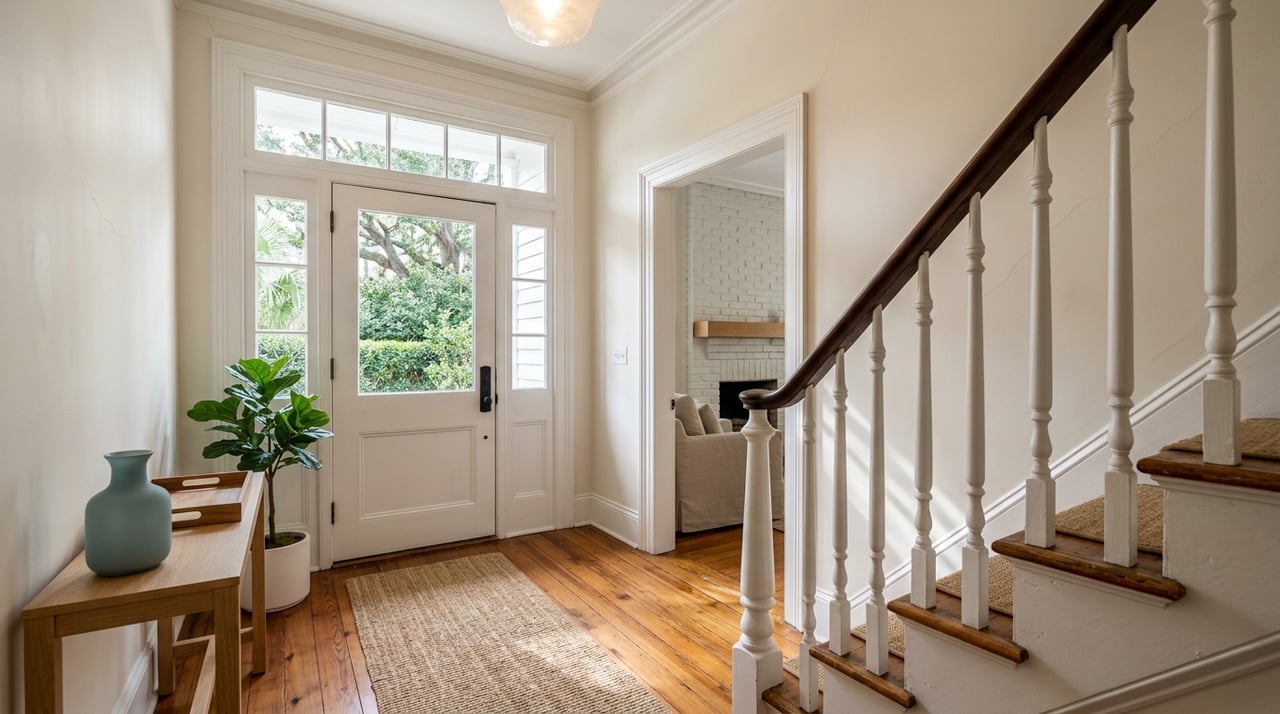
Selling a historic downtown Wilmington home can feel like a balancing act. You want buyers to see the charm that makes your property special, but you also want it to feel fresh, functional, and move-in ready. The good news is that the right staging approach can do both. With a thoughtful plan, you can highlight original details, appeal to modern expectations, and present your home in a way that stands out. Let’s dive in.
Why staging matters today
Staging is not the same as remodeling. It is the process of presenting your home so buyers can focus on its strengths and picture themselves living there.
That matters because buyers respond strongly to presentation. According to the 2025 NAR survey, 83% of buyers’ agents said staging made it easier for buyers to visualize a property as their future home. The same report found that 49% of sellers’ agents said staging reduced time on market, and 29% reported a 1% to 10% increase in the dollar value offered for staged homes.
For historic homes, staging can be even more important. Buyers are often drawn to character, but they may also worry about whether an older home will fit modern routines. Good staging helps answer that question before they ever ask it.
What makes downtown Wilmington homes unique
Historic downtown Wilmington offers more than old houses. The city describes the area as a layered historic landscape with a 19th-century street grid, residences, churches, commercial buildings, government buildings, brick paving, mature oaks, and riverfront-oriented blocks.
The area also benefits from a strong lifestyle story. The Riverwalk runs 1.75 miles through historic downtown and connects parks, shopping, dining, museums, public parking, and boating access. That means buyers are often shopping for both a home and a downtown way of living.
When you stage a home here, you are not just decorating rooms. You are helping buyers connect the architecture, the walkable setting, and the everyday livability of the property.
Keep original character in focus
In a historic downtown Wilmington home, original details should stay front and center. The city’s design standards identify features like symmetry, small-paned double-hung sash windows, transoms, sidelights, brackets, porch ornament, exposed rafters, brick piers, grouped sash windows, trim, cornices, and shutters as important character-defining elements.
That means staging should support those details, not compete with them. If a room has beautiful tall windows, original trim, or a standout fireplace surround, your setup should guide the eye there. The goal is a calm, edited look that lets buyers notice what cannot be replicated in a newer home.
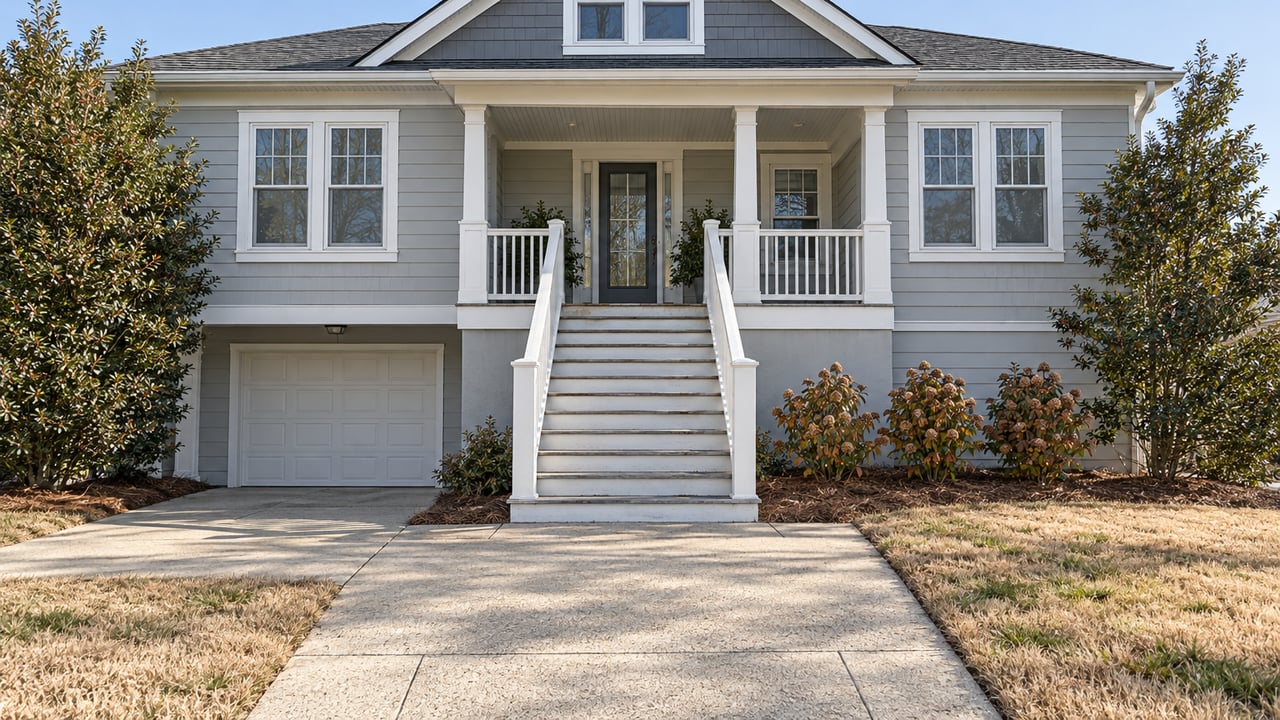
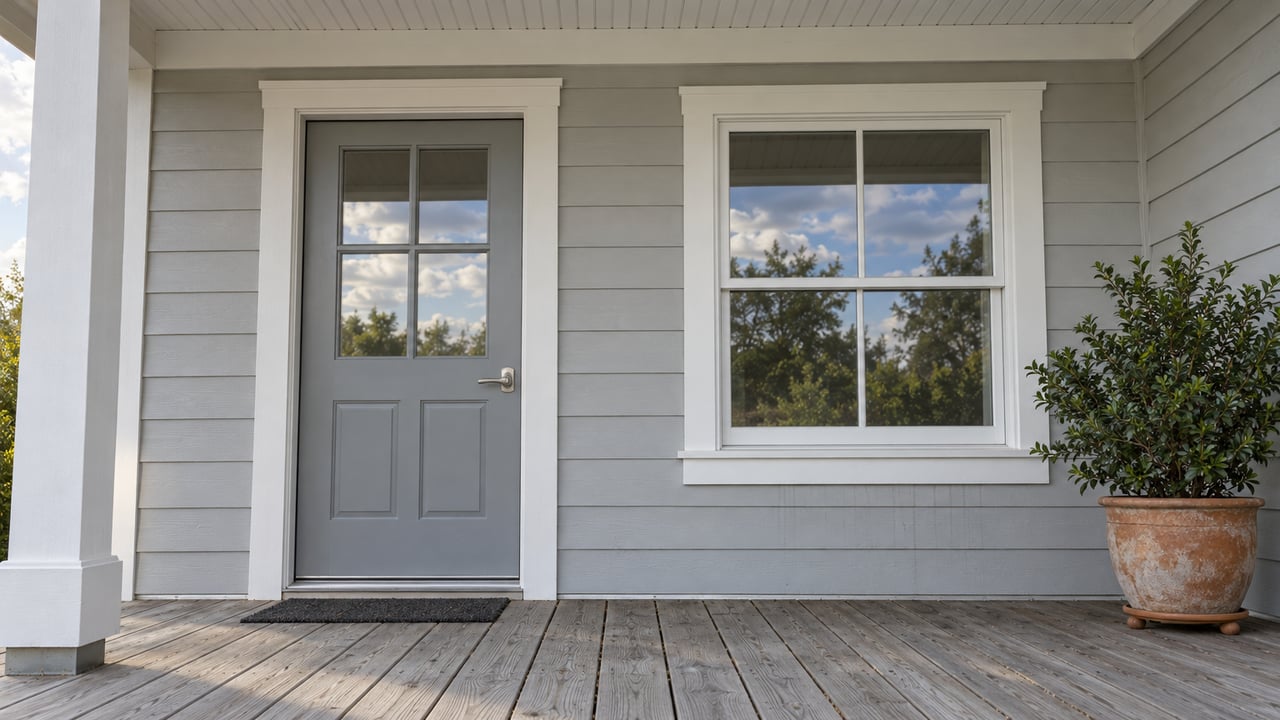
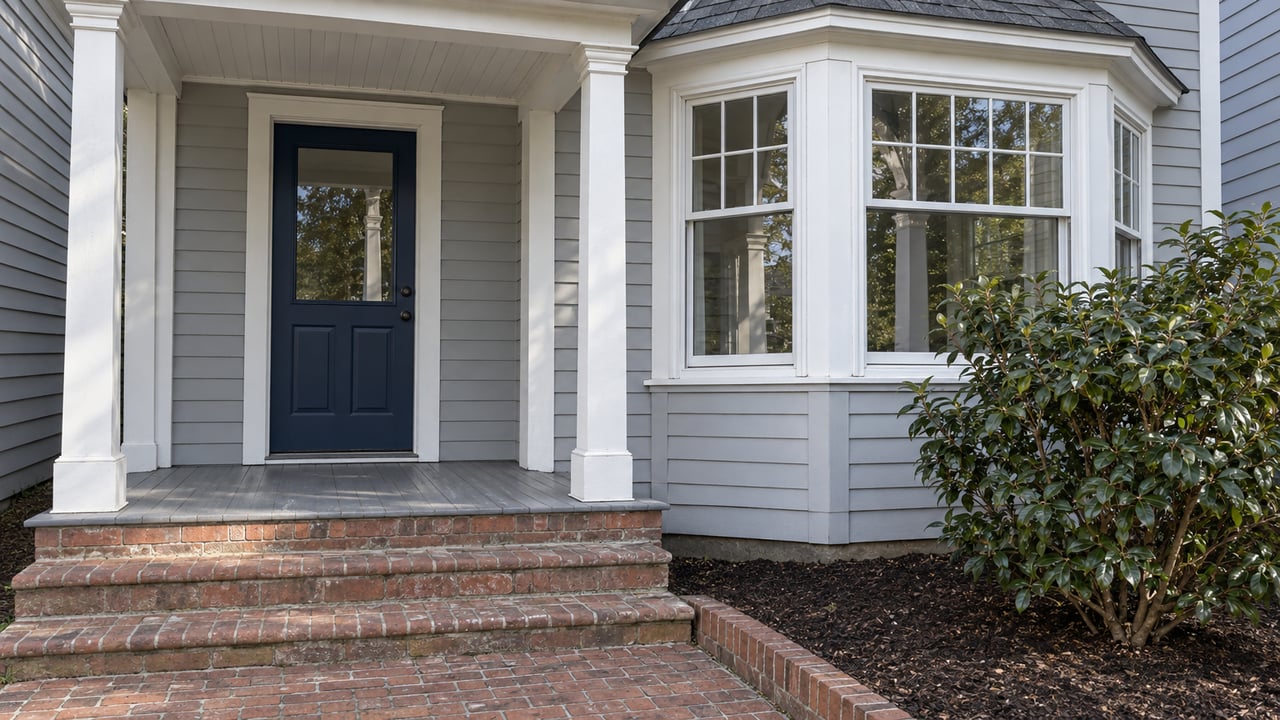
Porches and entrances deserve special attention. Wilmington’s guidance notes that porches and entrances are significant features that should be retained and repaired before replacement when needed. From a staging standpoint, that makes your front porch one of the most valuable first-impression areas on the property.
Use a clean, neutral staging style
The most effective look for many historic Wilmington homes is simple and neutral. NAR recommends neutral paint colors such as beige, gray, or soft white, along with decluttering, removing bulky furniture, and packing away personal items.
This approach works especially well in older homes because it helps the architecture speak for itself. A neutral backdrop can make original woodwork, windows, doors, and moldings feel intentional instead of dated.
You do not need to turn a historic home into a museum piece. You want it to feel current, comfortable, and easy to imagine living in today. Clean lines, lighter textiles, and thoughtful spacing can help buyers see how a period home supports modern life.
Stage these rooms first
If you are deciding where to focus your time and budget, start with the rooms buyers care about most. In the 2025 NAR report, buyers’ agents prioritized these spaces first:
- Living room
- Primary bedroom
- Kitchen
Sellers’ agents also commonly staged the dining room. For a historic home, these spaces do a lot of heavy lifting because they show buyers how charm and function can work together.
Living room
Your living room should feel open, conversational, and easy to navigate. Remove extra furniture so the room feels larger and the architectural details stay visible.
If you have tall windows, a decorative mantel, built-ins, or detailed trim, arrange seating to highlight them. Use a few well-scaled pieces instead of filling every corner.
Primary bedroom
The primary bedroom should feel restful and uncluttered. Fresh bedding, simple nightstands, and a limited color palette can make the room feel calm without stripping away personality.
If the room has original windows, transoms, or trim, avoid heavy window treatments or oversized furniture that hides them. Buyers should be able to appreciate the room’s proportions and period details at a glance.
Kitchen
Kitchens often shape how buyers feel about daily life in the home. Even if your kitchen is not newly renovated, staging can help it feel clean, useful, and inviting.
Clear countertops, reduce visual clutter, and add a few simple finishing touches like fresh towels or a small plant. If the kitchen blends historic elements with newer updates, make that mix feel intentional and balanced.
Dining room
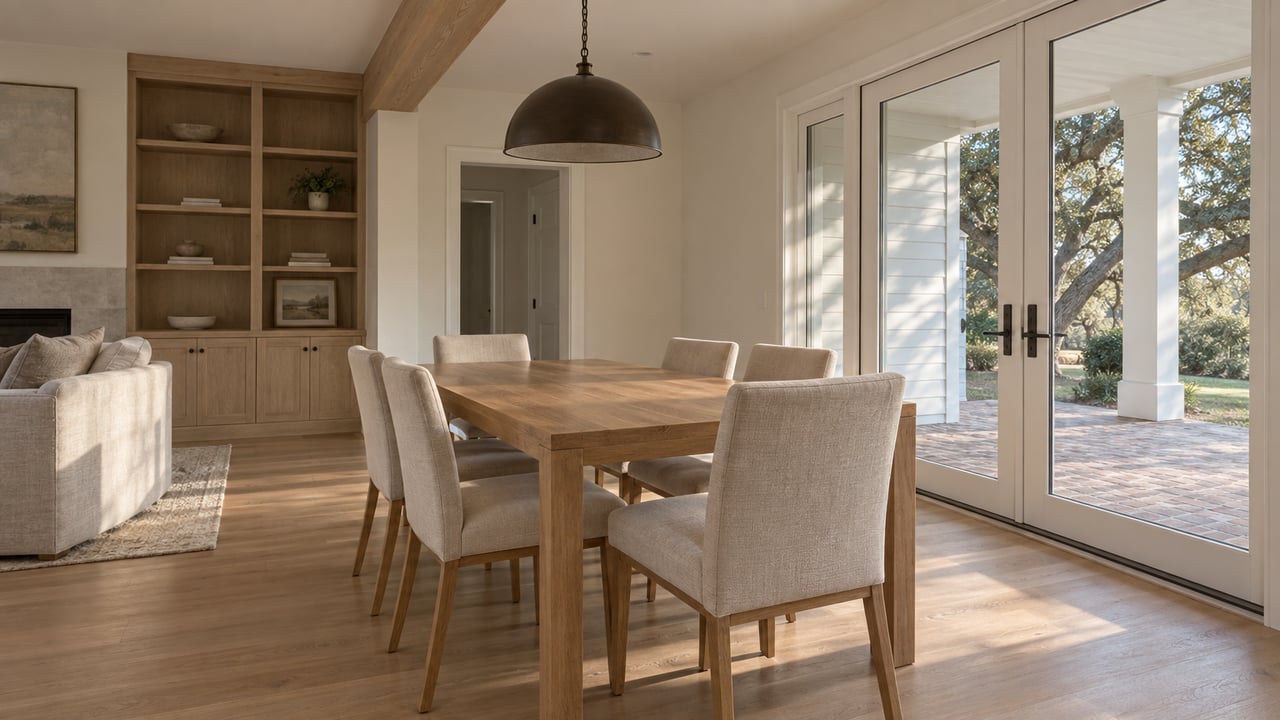
In downtown Wilmington homes, dining rooms often carry a lot of architectural presence. A simple table setting and well-edited furniture can show scale while keeping the room from feeling formal or overly busy.
This is a good place to reinforce the idea of easy entertaining and everyday use. Buyers should see a room that feels flexible, not frozen in time.
Improve photos and showings
Online presentation matters as much as in-person presentation. The 2025 NAR report found that photos, physical staging, videos, and virtual tours were highly important to buyers’ agents, and 31% said buyers were more willing to walk through a home they saw online.
That makes visual clarity essential. Historic homes can sometimes read as dark or crowded in listing photos, especially if rooms contain too much furniture or too many personal items.
Before photography and showings, focus on these basics:
- Declutter every visible surface
- Deep clean floors, windows, and trim
- Open sight lines between rooms
- Let in as much natural light as possible
- Keep porch, steps, and entry tidy
These steps help your home photograph better while also creating a smoother in-person experience for buyers.
Add curb appeal without overdoing it
Curb appeal is one of the most common staging recommendations for sellers, and it carries extra weight in a historic district. Buyers often form their first impression before they walk through the front door.
Low-impact improvements can go a long way. A swept porch, neat planters, fresh doormat, and clean entry door can make the home feel cared for and welcoming.
Wilmington’s design standards also emphasize the importance of preserving original exterior elements like porches, wooden windows and doors, shutters, and trim. That means your exterior prep should focus on presentation and maintenance rather than quick cosmetic changes that may hide or conflict with historic details.
Know what may require city review
Before making exterior changes, it is important to understand the local rules. The City of Wilmington says local historic districts and historic overlays require exterior design review and a certificate of appropriateness for exterior alterations.
The city also notes that interior work is not regulated for its historic district purposes. That is helpful for sellers because many staging updates happen indoors and can be completed without affecting protected exterior features.
If you are thinking about exterior paint or touch-ups, be careful not to treat that as a simple staging project. Wilmington’s standards say colors should reflect the building’s style, harmonize with adjacent structures, and generally stay within a limited palette. The standards also state that all color changes require the city’s administrative bypass procedure.
In other words, separate presentation updates from regulated exterior work. Cleaning, styling, and maintenance are one thing. Exterior alterations may follow a different process.
Avoid staging mistakes in historic homes
The biggest mistake is trying to make the home look too new. When staging covers up original windows, porch details, trim, or entry features, you can lose the very character buyers came to see.
Another common issue is overcrowding. Historic homes can have distinct room shapes and older layouts, so oversized furniture can make them feel smaller or more awkward than they are.
Try to avoid these pitfalls:
- Blocking windows with heavy drapery or tall furniture
- Hiding trim or millwork behind decor
- Filling porches with too many accessories
- Using trendy pieces that clash with the home’s architecture
- Starting exterior changes before checking city review requirements
The best staging choices are usually the simplest ones. Clean spaces, edited furnishings, and visible craftsmanship tend to create the strongest result.
Sell the home as historic and livable
Downtown Wilmington buyers are often looking for more than square footage. They may be drawn to architecture, walkability, riverfront access, and a sense of place that feels hard to duplicate elsewhere.
Your staging should support that story. Show how the home lives today while respecting what makes it historic.
That might mean creating a lighter seating layout in the living room, giving the porch a polished but understated welcome, or using neutral bedding and accessories that make older rooms feel fresh. The point is not to erase age. It is to show buyers how beautifully age and everyday comfort can coexist.
When that balance is done well, a historic downtown Wilmington home can feel both memorable and move-in ready. And that is exactly the kind of impression that helps buyers act with confidence.
If you are preparing to sell and want a strategy that highlights your home’s character while presenting it for today’s market, Living By The Coast Realty Group can help you position it with polished marketing, smart staging guidance, and local expertise.
FAQs
What rooms should you stage first in a historic Wilmington home?
- Start with the living room, primary bedroom, and kitchen, since these were the top priorities identified by buyers’ agents in the 2025 NAR report.
What staging style works best for downtown Wilmington historic homes?
- A neutral, uncluttered style usually works best because it keeps the focus on original features like windows, trim, porches, and architectural details.
What exterior changes may need approval in Wilmington historic districts?
- Exterior alterations in local historic districts or overlays may require exterior design review and a certificate of appropriateness, so check city requirements before starting work.
Can you stage the inside of a Wilmington historic home without city review?
- For the city’s historic district purposes, interior work is not regulated, which means most indoor staging updates can be handled without exterior review.
How do you make a historic home feel current without losing character?
- Declutter, clean thoroughly, use simple furnishings, and keep original elements visible so the home feels fresh and functional without covering up its defining details.