Thinking about trading up to a bigger home or a different neighborhood in Leland, but unsure how to juggle selling and buying at the same time? You’re not alone. Many Brunswick County homeowners want more space, modern features, or a shorter commute and worry about protecting buying power. This guide shows you how to plan your price, time your sale and purchase, and market your home so you can move up with confidence. Let’s dive in.
Leland market context
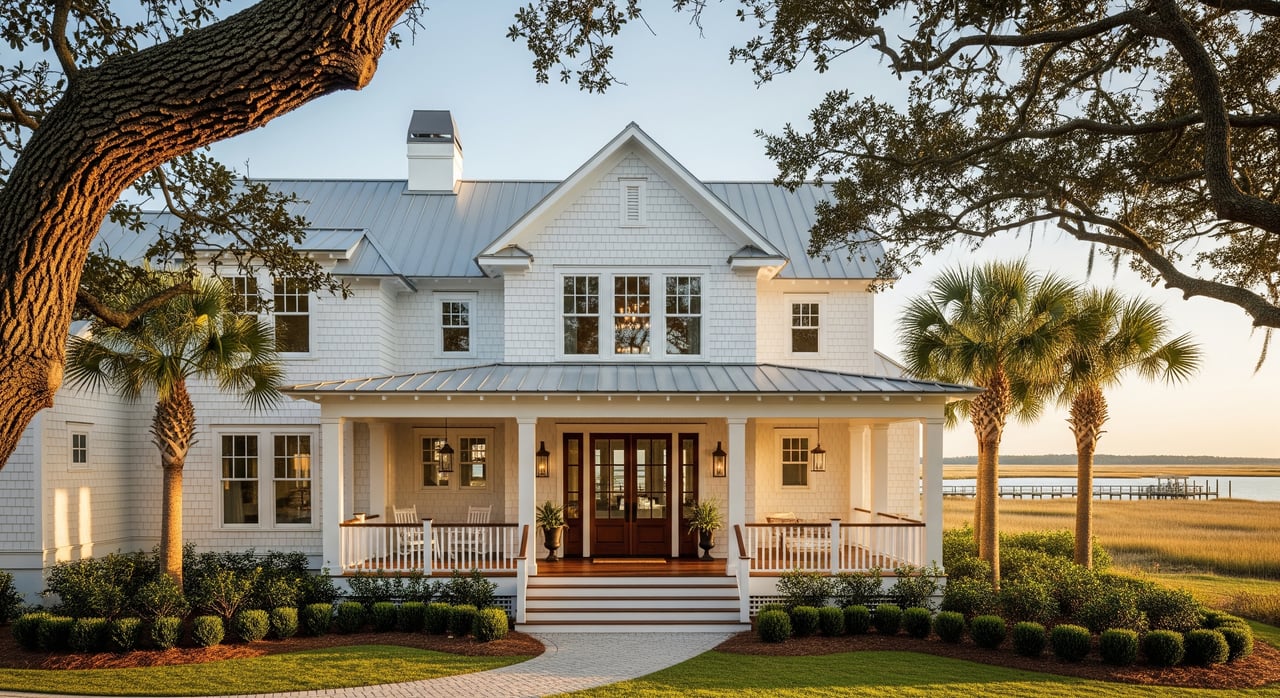
Leland’s proximity to Wilmington draws a wide range of buyers, including commuters, retirees, and relocation clients. Newer communities such as Brunswick Forest and other master‑planned areas expand choices and shape buyer expectations for amenities and low‑maintenance living. Coastal considerations like outdoor spaces, hurricane preparedness, and flood risk are often part of a buyer’s checklist.
Buyer activity can shift with the seasons. Spring and early fall often bring more showings in many Southeast markets. For pricing and timing decisions, look to current local metrics from Cape Fear MLS and the latest reports shared through Cape Fear REALTORS.
Set your proceeds target
Start with a clear net‑proceeds plan. Estimate your expected sale price, subtract your mortgage payoff, and budget for costs so you know the minimum sale price you need to reach your move‑up goal.
Typical cost categories to include:
- Agent commissions, commonly in the 5 to 6 percent range of the sale price.
- Closing costs and prorations, plus any negotiated seller credits.
- Pre‑sale expenses like repairs, staging, and professional media.
- Carrying costs while listed, such as mortgage, insurance, utilities, and maintenance.
- Moving costs and any short‑term housing.
Quick example to frame your target: If your likely sale price is 475,000, subtract your mortgage payoff, then estimate selling costs and pre‑sale expenses. The remainder helps fund your down payment and closing on the next home. Model a conservative price too, so you know your floor.
Prep that protects price
A thoughtful pre‑listing plan can reduce surprises and preserve negotiation power.
- Consider a pre‑listing inspection. It can surface repair items before a buyer’s inspector does.
- Handle high‑impact fixes first. In a coastal climate, address roof issues, HVAC servicing, and any water intrusion or wood rot.
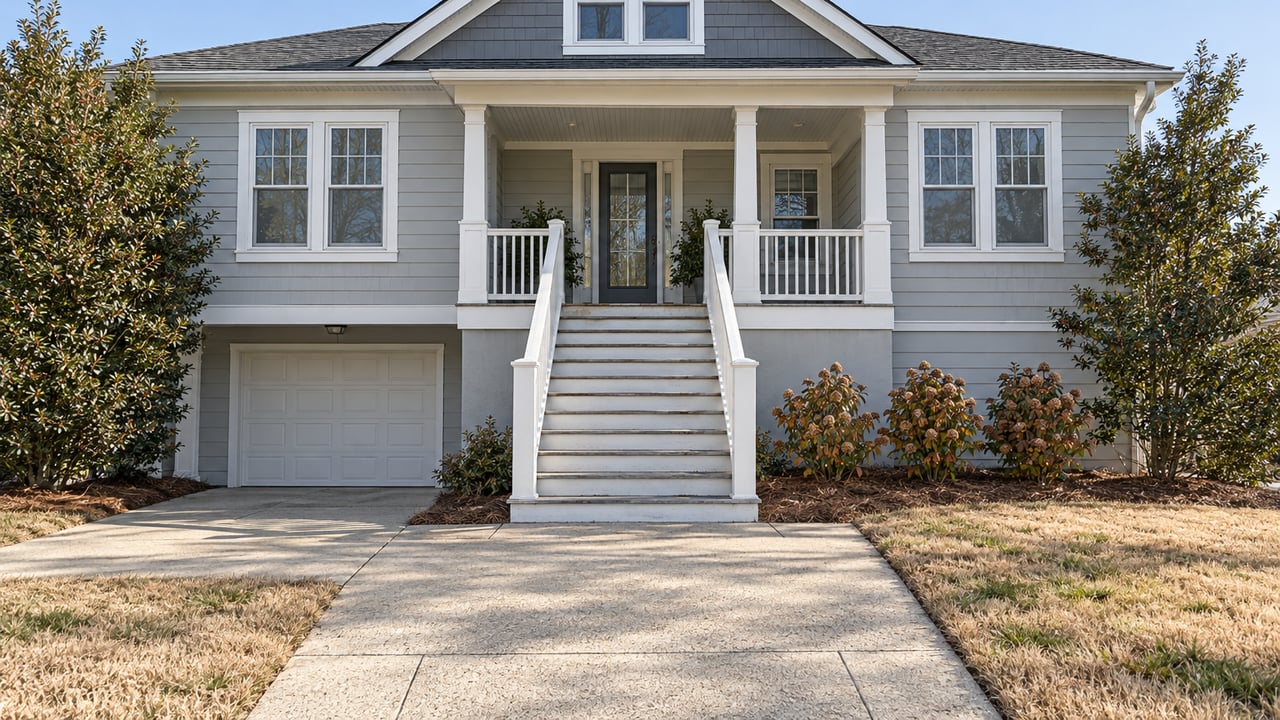
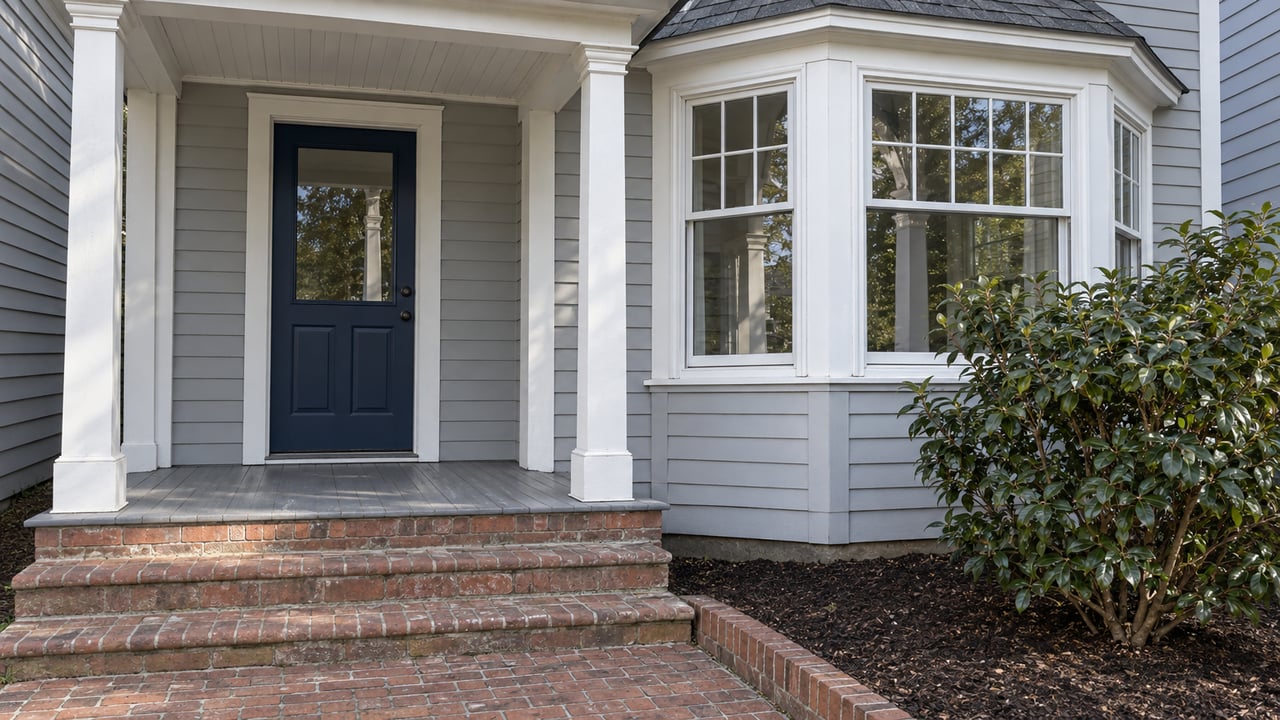
- Focus on curb appeal and staging. Fresh landscaping, pressure washing, neutral paint touchups, and decluttering create strong first impressions.
- Review disclosures. North Carolina sellers should follow state forms and guidance. Your agent and closing attorney can help you stay compliant.
Choose your timing plan
The right sequence depends on your financing, flexibility, and the move‑up inventory you want.
Sell first, then buy
- Pros: Stronger buying position with no sale contingency and clear proceeds for your down payment.
- Cons: You may need short‑term housing or storage between closings.
- Best for: Sellers who can rent temporarily or who see multiple suitable homes available.
Buy first, then sell
- Pros: You secure your next home before your current one hits the market, which can reduce disruption.
- Cons: Often requires a bridge solution and the ability to carry two mortgages for a short period.
- Best for: Sellers with strong financing options and stable cash flow.
Simultaneous closings
- Pros: Minimizes time between homes and can streamline the move.
- Cons: Scheduling is tight. Delays on one deal can affect the other.
- Local note: North Carolina closings commonly involve attorneys. Line up both attorneys and lenders early to coordinate dates.
Home‑sale contingency
- Pros: Protects your buying power without separate bridge financing.
- Cons: Less competitive in fast markets and requires clear timelines and marketing obligations.
- Use when: The target home’s seller is open to contingencies and your current home is market‑ready.
Finance the gap
If you prefer to buy before you sell, explore tools that tap your equity.
- Bridge loan. A short‑term loan secured by your current home that funds the new purchase. Rates and fees are typically higher, so compare options.
- HELOC or home equity loan. Access equity at potentially lower cost than a bridge loan, subject to qualifying.
- Cash‑out refinance. May work in certain rate environments, but weigh costs and timing.
- Piggyback financing. Less common today and depends on lender programs.
Get pre‑approved early and ask local lenders about current bridge options, timelines, and underwriting requirements.
Price and market for momentum
Pair a tight pricing strategy with high‑quality marketing to reduce days on market.
- Launch ready. Complete repairs, staging, and professional media before day one. Feature accurate square footage, floor plans, and a compelling description.
- Emphasize what buyers want. In Leland, highlight proximity to Wilmington, community amenities, local recreation, and practical features like storage and outdoor living. Use neutral, factual language about school assignment zones.
- Reach the right buyers. Leverage MLS exposure, social advertising with geo‑targeting, and agent‑to‑agent outreach through the Cape Fear REALTORS network.
- Make showings easy. Offer broad showing windows, especially evenings and weekends, and keep the home clean and accessible.
The first two weeks are critical. A market‑correct price plus full‑strength marketing can draw multiple showings and better terms. If inventory rises, consider incentives like closing cost help or a rate buydown rather than waiting too long on a price change.
Negotiate to protect buying power
Smart terms can matter as much as the price.
- Evaluate financing strength. Favor offers with strong pre‑approval or proof of funds and shorter loan timelines.
- Manage inspection risk. Address health and safety items and set clear limits on requests to avoid large credits.
- Plan for appraisal outcomes. Discuss options like appraisal gap strategies or financing adjustments before you accept an offer on your next home.
- Consider post‑closing occupancy. A short rent‑back or seller possession can give you time to close on your purchase without rushing.
Plan your timeline
Use this sample schedule and adjust to your situation and lender timelines.
- T‑60 to T‑45 days: Request a neighborhood‑specific CMA, secure pre‑approval for the buy side, and finalize your pre‑sale repair list.
- T‑45 to T‑30 days: Complete repairs and staging, capture professional photos, go live on the market, and start touring target neighborhoods.
- T‑30 to T‑14 days: Accept an offer on your sale, coordinate target closing dates with the seller of your next home, and confirm appraisal and loan milestones.
- T‑14 to closing: Book movers or short‑term housing, line up utility and insurance transfers, and coordinate with both closing attorneys for smooth signings.
Your local team
A coordinated team reduces stress and keeps both transactions on track.
- Listing agent and buyer’s agent. You need a precise CMA, clear pricing strategy, targeted marketing, and skilled negotiation for both deals.
- Lender. Secure pre‑approval early and review bridge or equity options if you plan to buy first.
- Attorney and closing teams. North Carolina closings typically involve attorneys. Coordinate early if you plan to close on both homes the same day.
- Inspectors, contractors, stager, photographer, and movers. Line them up before listing.
With a full‑time marketing director, dedicated transaction coordinators, and robust buyer pipelines, our team brings premium listing presentation and organized systems to your move‑up plan. The result is stronger exposure, faster responses, and a smoother path from sign to sold.
Ready to move up in Leland?
If you want more space, a different neighborhood, or a lifestyle shift closer to Wilmington, a focused strategy will get you there. Price with purpose, market with intent, and choose the timing plan that fits your life and budget. When you’re ready, we’ll help you map the steps and manage every detail.
Get your next chapter started with a free pricing and timeline review from Living By The Coast Realty Group. We’ll help you sell confidently and buy well in Leland and across Brunswick County.
FAQs
How do I price my Leland home for a move‑up?
- Base your price on a neighborhood‑specific CMA using recent, similar sales and your priorities for speed, proceeds, and terms.
What timing works best to avoid two moves?
- Coordinated closings can work well if your lender and both closing attorneys align dates, but build in backup plans in case of delays.
Do I need a pre‑listing inspection in Brunswick County?
- It’s optional, but it can uncover repair items early and reduce renegotiation risk during the buyer’s inspection.
What are my options if I need the new home before mine sells?
- Explore a bridge loan or HELOC to tap equity, then sell and pay off the interim financing once your sale closes.
How long do North Carolina closings usually take?
- Many transactions close in 30 to 45 days, depending on lender timelines, appraisal schedules, and attorney availability.