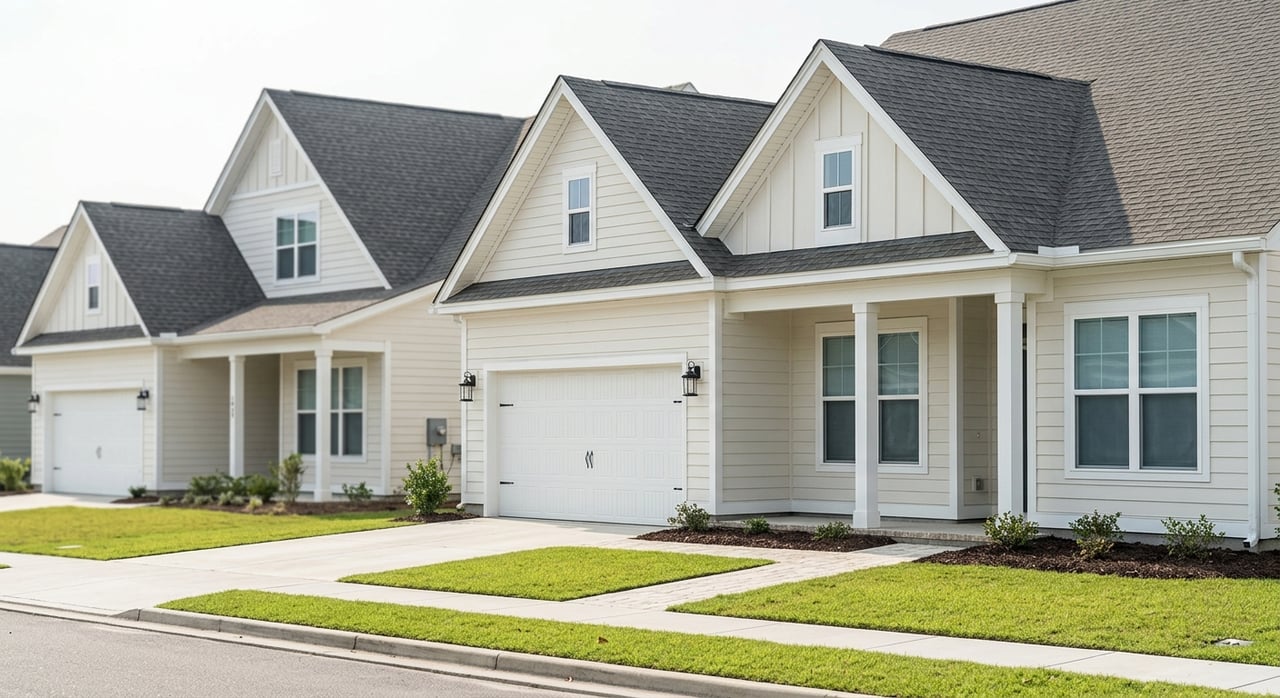
Thinking about a new home in Hampstead but unsure how new construction really works here? You are not alone. With so many new neighborhoods popping up and different builders to compare, it can feel hard to know where to start. In this guide, you will get a clear look at local market context, what you typically get with a new build, how timelines and financing usually work, and how to protect your interests from contract to closing. Let’s dive in.
Why new construction is active in Hampstead
Pender County is growing. County and media reports cite thousands of new homes approved or underway. For context, roughly 5,117 new residential unit permits were issued in Pender County between 2020 and 2024, which explains why developers are focused on the Hampstead corridor. You can read more in this local overview of growth pressures and planning discussions from WHQR.
Recent subdivision approvals in the Hampstead area also show strong demand. A newly approved subdivision of about 355 homes drew community attention around traffic, safety, emergency access, and environmental impacts. If you are comparing lots or phases, it helps to understand what is planned nearby. For context on these resident concerns and approvals, see this Port City Daily report on a 355‑home Hampstead development.
Infrastructure is a key driver too. Road work and long‑range plans influence commute times, where builders assemble land, and which amenities get prioritized. As proposals move forward, expect ongoing conversations about traffic, drainage, and emergency access. This is normal in growing coastal communities and is part of due diligence when you compare neighborhoods.
Price and value snapshot
As of 2024–2025, market reports for Pender County show median sale prices in the low to mid $400Ks to low $500Ks, depending on the exact area and month. You can review a recent county market snapshot in the Cape Fear REALTORS March 2025 Pender County report. New construction often carries a price premium over resale in exchange for modern systems, builder warranties, and the ability to choose finishes. The right value for you comes down to neighborhood, lot, build quality, and total ownership costs over time.
Community types you will see
Master‑planned neighborhoods with amenities
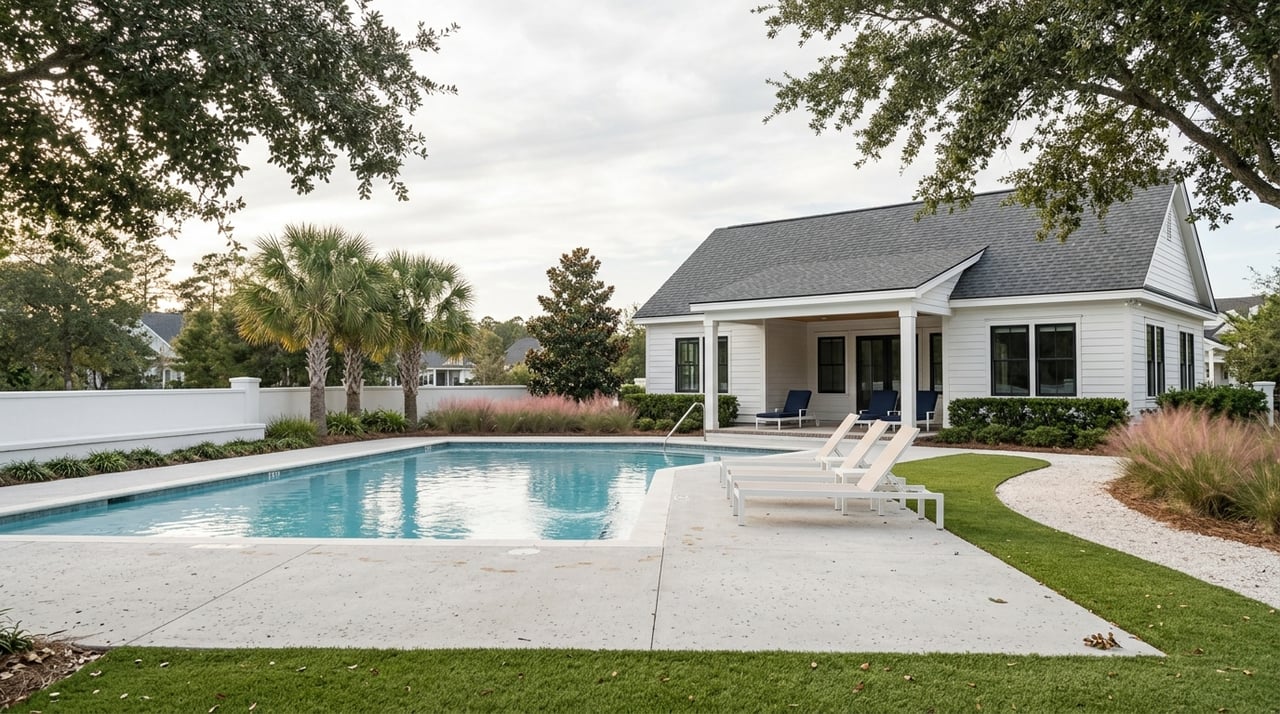
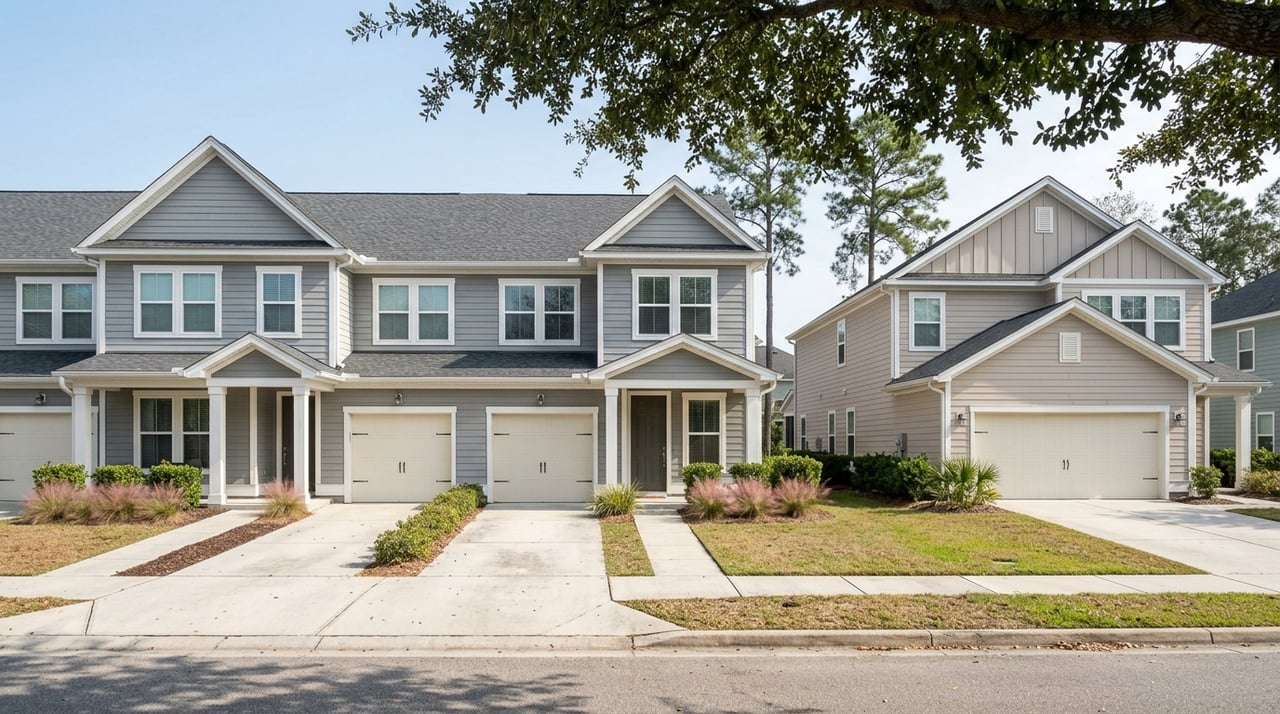
Hampstead’s new communities often center on lifestyle. You will see ponds and wetlands, sidewalks, pocket greens, and community pools or pavilions, plus a mix of ranch and two‑story plans. A helpful example is WyndWater, a multi‑phase master plan with a model‑home village, green spaces, and a range of home styles. Explore its layout and features on the WyndWater community page.
Other nearby neighborhoods may feel smaller or more intimate, but share a similar coastal approach to design and amenities. Many aim to balance beach access with easy commuting to Wilmington or Camp Lejeune. When touring models, ask how future phases will connect and what amenities are already funded.
Home styles and typical lot sizes
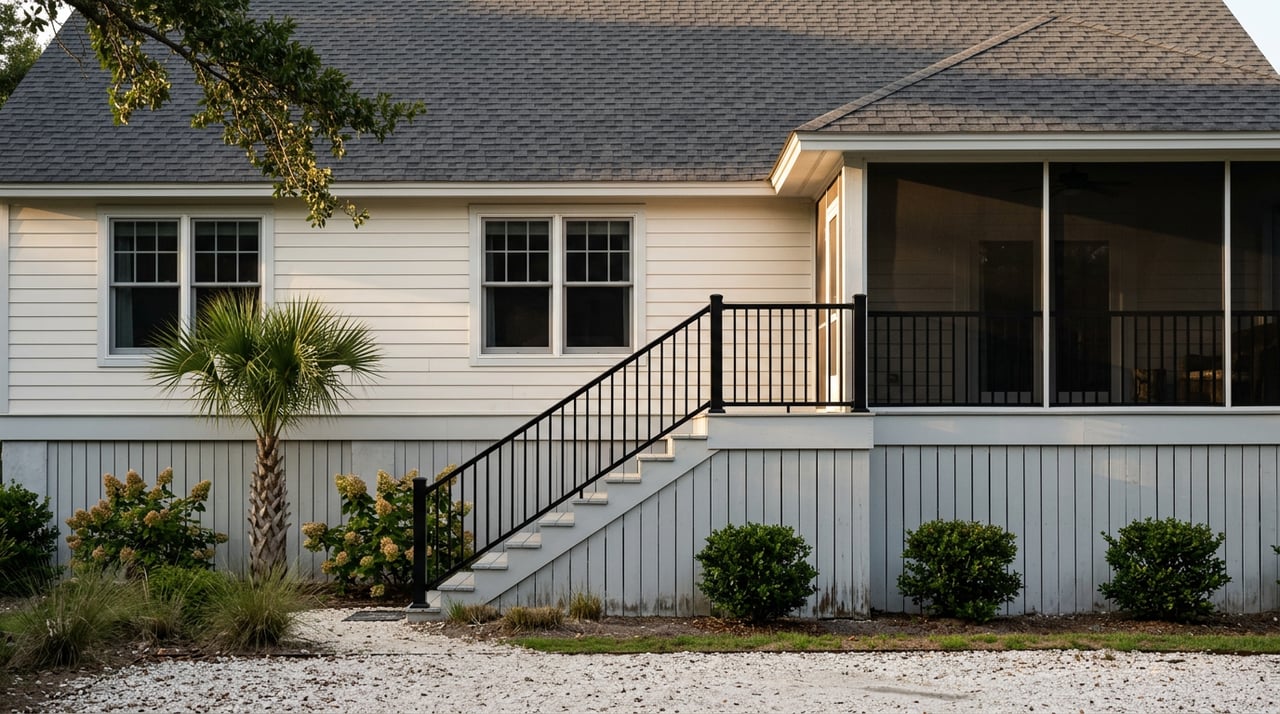
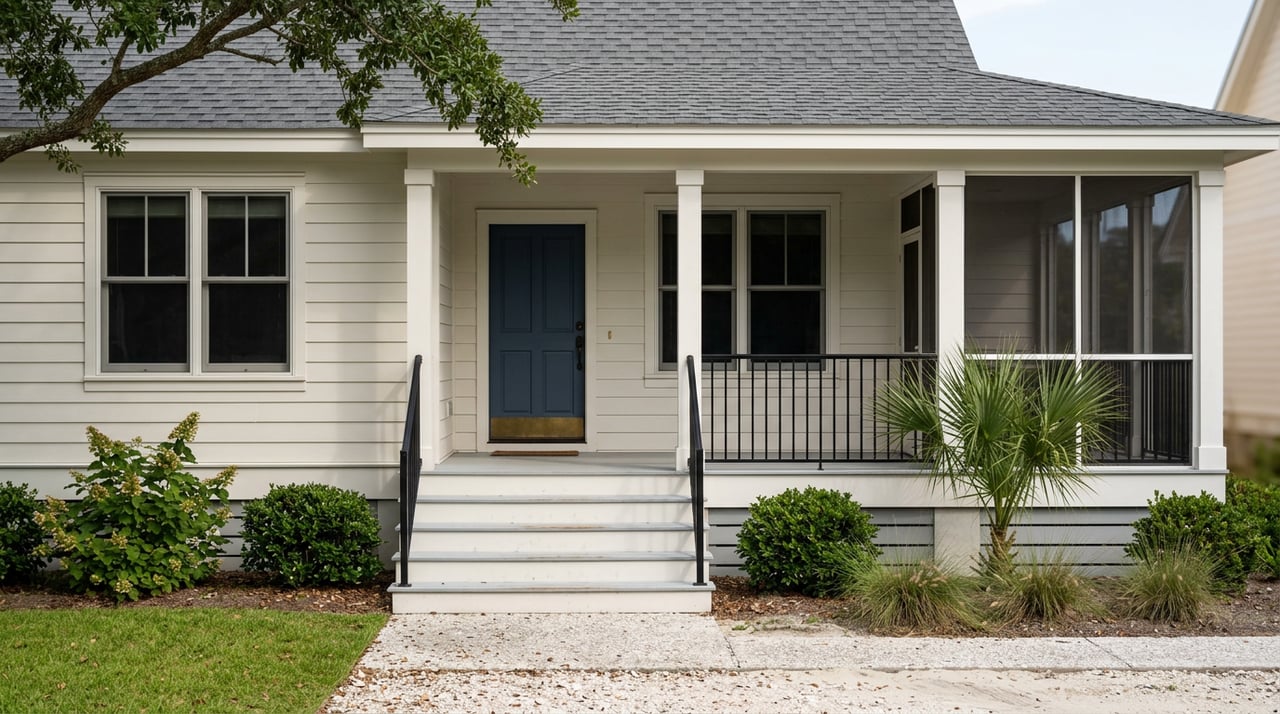
Builders in the Hampstead corridor usually offer a mix of single‑story ranch and two‑story plans. Common features include open kitchens with islands, spacious primary suites, flex rooms for remote work, and outdoor living spaces like covered or screened porches. Production phases often include detached homes on roughly 0.15 to 0.35 acre lots, although this varies by community and phase. For a feel of real‑world lot sizes, review an example property map or listing, such as this recent area listing reference.
What is usually included
Production builders typically include quartz or engineered stone counters, stainless appliances, LVP or engineered wood‑look floors in main living areas, and smart‑home touches like programmable thermostats or pre‑wiring. Covered porches and coastal‑resilient materials are also common. Each builder publishes an included‑features sheet, so always confirm what is standard and what is an upgrade in your specific plan and phase. Communities like WyndWater are good examples to understand typical packages, then you can compare across other local builders.
Energy, tech, and warranties
Today’s new builds often deliver tighter envelopes, modern HVAC systems, and improved air sealing compared to older homes. Smart‑home features are increasingly standard. Ask whether your builder follows a specific energy‑efficiency standard and what testing they complete before closing.
Many builders offer a third‑party “1‑2‑10” warranty structure: one year for workmanship and materials, two years for mechanical and distribution systems, and ten years for structural coverage. Policies vary by provider and plan. Review the written warranty, claim process, and transfer rules closely. To understand the common 1‑2‑10 format, you can reference a typical program overview from 2‑10 Home Buyers Warranty, then confirm your builder’s exact coverage.
How the new construction process works
Typical build timeline
Build times vary by builder, lot, and supply chain. As of 2024–2025, production homes built for sale in the South Atlantic region often complete about 7 to 10 months from permit to finish. Custom homes take longer. See national context on cycle times in this Pro Builder summary of NAHB data. Always get your builder’s current schedule in writing.
Permits and county inspections
At the local level, Pender County Inspections & Permitting controls when ground can break and how inspections proceed through the build. Permits, site documentation, and utility letters must be in order. If you want to double‑check status or process steps, start with the county’s Inspections & Permitting page. Your agent can help you confirm milestones and any factors that could affect timeline, such as weather, materials, or crew availability.
Financing basics for new builds
Financing can look different for new construction. Some buyers use construction‑to‑permanent loans with a single closing, while others buy a completed spec home with a standard mortgage. If you consider FHA or VA financing, be aware there can be added documentation and appraisal steps for homes that are proposed or under construction. Builders may offer lender incentives, but you can usually choose your own lender. Compare total costs, timelines, and rate locks, and get any incentives or lender requirements in writing before you sign.
Inspections and contract protections
Even with builder warranties, you should plan independent inspections at key stages, such as pre‑drywall and a final inspection before closing. Confirm your right to inspections in the purchase documents and set them on the calendar early. In North Carolina, builder contracts and addenda are common, and forms guidance helps shape how inspections and walkthroughs are handled. You can review an example of a new‑construction addendum in the NC REALTORS standard forms library, then consult your agent about the exact documents your builder uses.
Pros and cons at a glance
Pros buyers appreciate
- Low initial maintenance with modern systems and materials.
- Builder warranties that cover workmanship, systems, and structure.
- Fresh finishes, contemporary layouts, and the option to personalize early in the build.
- Energy and comfort updates that are harder to achieve in older homes.
Tradeoffs to plan for
- A price premium compared to nearby resale options.
- Fewer immediate resale comps if the phase is brand new, which can affect appraisals.
- Possible construction delays from weather or supply chain.
- HOA rules and fees that vary by community.
- Localized traffic and drainage debates as new phases are approved, such as those noted in this Hampstead subdivision report.
Quick buyer checklist
Use this short list to stay organized as you compare builders and communities:
- Get pre‑approved and confirm which financing options fit your timeline, including construction‑to‑permanent and spec‑home mortgages.
- Ask for the builder’s written included‑features sheet and a clear, itemized upgrade list with pricing.
- Confirm the build schedule in writing and note key decision deadlines for structural options and design selections.
- Verify the warranty provider and read the policy, including what triggers a claim and how transfers work.
- Check permitting status and any lot‑specific grading or flood considerations using county resources like Pender County Inspections & Permitting.
- Hire an independent inspector for at least two milestones, such as pre‑drywall and final, and attend the builder walkthrough with a punch‑list.
- Work with an agent who knows local builders and new‑construction contracts. Consider a North Carolina real estate attorney if you want an extra layer of contract review.
Why buyer representation matters in NC
On‑site sales agents represent the builder. In North Carolina, brokers must present the Working With Real Estate Agents disclosure at first substantial contact, explain agency choices, and be transparent about compensation and incentives. A dedicated buyer’s agent looks out for your interests by reviewing builder contracts and addenda, tracking deadlines, coordinating inspections, and negotiating credits or repairs. If you plan to be represented, register your agent with the builder before your first model‑home visit and keep your agent looped into all communications. You can read more in the North Carolina Real Estate Commission’s consumer guidance on Working With Real Estate Agents.
Ready to find the right builder, lot, and plan for your goals in Hampstead? Our team pairs local neighborhood insight with organized systems that keep your build on track from reservation to closing. Connect with Living By The Coast Realty Group to start a focused new‑construction search and move forward with confidence.
FAQs
How long does a new build usually take in Hampstead?
- Many production homes finish in roughly 7 to 10 months from permit to completion, but your builder’s current schedule, weather, and supply chain can shift the timeline.
Can I use my own lender on a new construction home?
- Usually yes. Compare the builder’s lender incentives to independent offers, check rate‑lock timelines, and get any conditions in writing before you sign a contract.
What is a 1‑2‑10 builder warranty?
- It commonly means 1 year for workmanship and materials, 2 years for systems like HVAC, plumbing, and electrical, and 10 years for major structural components, subject to the provider’s terms.
Will the builder pay my buyer’s agent?
- Often builders offer cooperating commissions, but policies and registration rules differ. Ask upfront and make sure any incentives or compensation are disclosed to you.
How big are lots in newer Hampstead communities?
- Many production phases offer detached homes on about 0.15 to 0.35 acre lots, but sizes vary by community and phase, so verify the specific lot before you commit.
How do I check flood risk for a specific Hampstead lot?
- Review FEMA flood maps, request the builder’s elevation and drainage details, and confirm any requirements through Pender County Inspections & Permitting or your insurance agent.