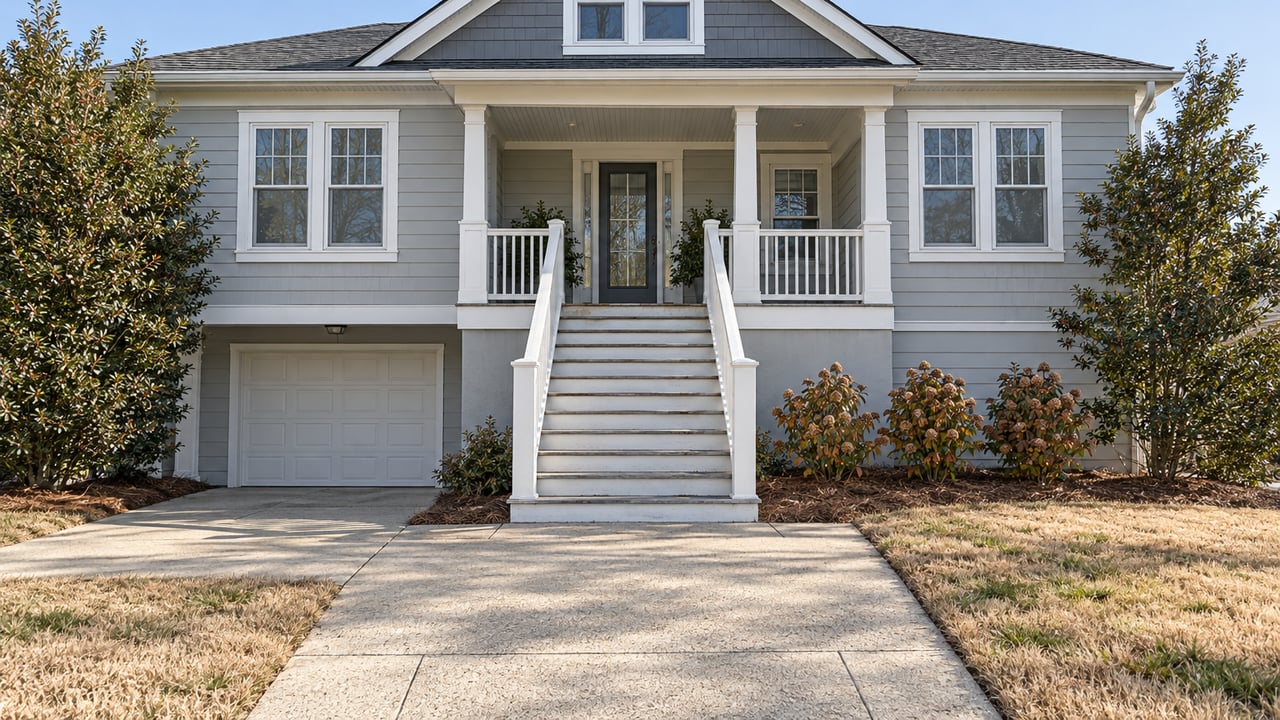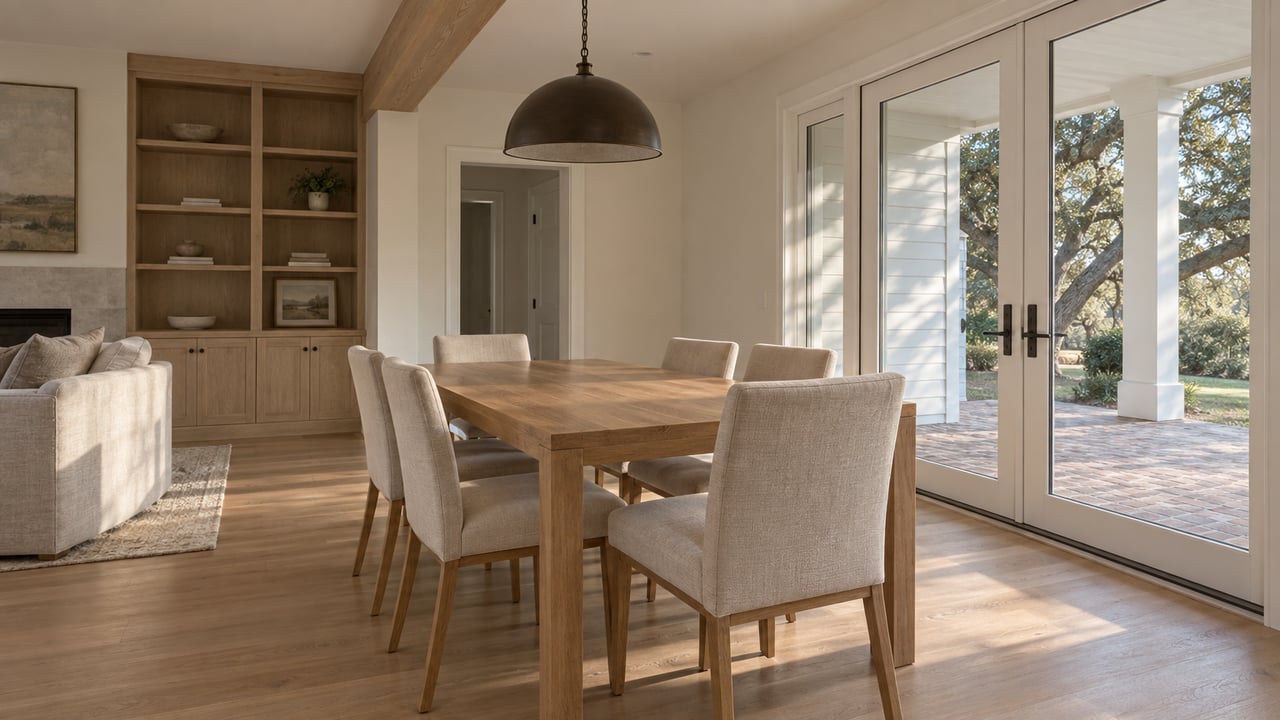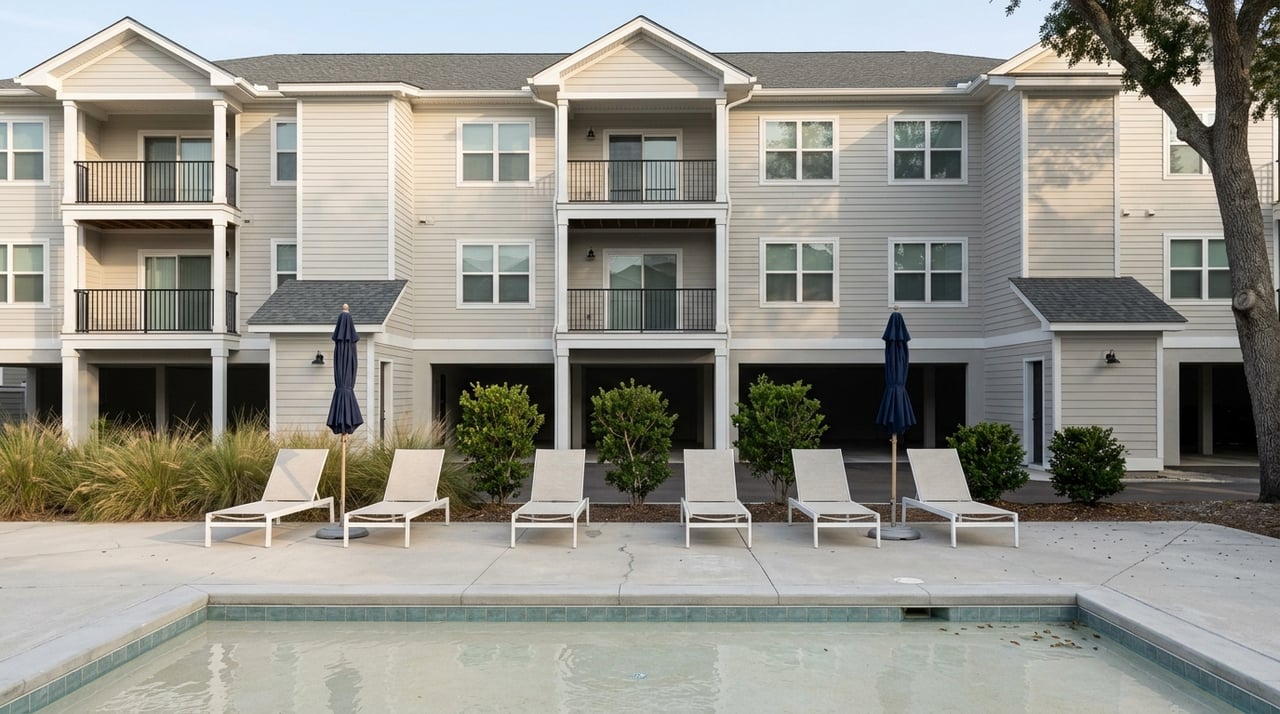
Wondering whether a condo in Carolina Beach or Kure Beach is the easy coastal purchase you have been hoping for? It can be, but the real decision is not just about the view, the beach access, or the list price. If you are thinking about buying here, you need to understand the full cost of ownership, how condo rules work in North Carolina, and what to review before you commit. Let’s dive in.
Why condo buying here is different
Buying a condo in Carolina Beach or Kure Beach can be a smart way to enjoy coastal living with less day-to-day exterior upkeep than many single-family homes. But condo ownership comes with a different structure than buying a house.
In most cases, you are buying your unit plus shared responsibility for the building and common areas through the owners’ association. That means your monthly costs and your decision-making process should go beyond the purchase price.
Understand the true monthly cost
When you buy a condo on this stretch of coast, your budget usually includes more than mortgage principal and interest. You should also plan for property taxes, HOA dues, your own unit insurance, utilities not covered by the HOA, and a reserve for possible special assessments.
If you may use the condo as a short-term rental, operating costs can also include the local room occupancy tax. In Carolina Beach and Kure Beach, that tax is 6% on taxable short-term rentals.
Property taxes in Carolina Beach and Kure Beach
Property taxes are separate from condo dues. For fiscal year 2025 to 2026, Carolina Beach’s municipal tax rate is $0.1417 per $100 of assessed value, Kure Beach’s is $0.172 per $100, and New Hanover County’s rate is $0.295 per $100.
On a $600,000 condo, that works out to about $2,620.20 per year in Carolina Beach and about $2,802.00 per year in Kure Beach. Both towns collect property taxes through New Hanover County.
Why HOA dues matter so much
For many buyers, HOA dues are the biggest difference between a condo and a house or townhome. In North Carolina, condo associations adopt budgets, build reserves, and collect assessments for common expenses, so dues are not an optional extra.
That monthly number often reflects shared maintenance, shared insurance, and reserve funding for future building work. A condo with higher dues is not automatically a bad option, but you should understand exactly what those dues cover and whether the association appears financially prepared.
How condo ownership works in North Carolina
North Carolina’s Condominium Act gives condo associations real authority. Associations can adopt rules, approve budgets, maintain common areas, and collect assessments from owners.
That legal framework matters because each building can operate a little differently depending on its recorded declaration and bylaws. Two condos that look similar online may come with very different responsibilities and cost structures.
What the HOA usually maintains
Under North Carolina law, the association is generally responsible for maintaining, repairing, and replacing the common elements. Unit owners are generally responsible for maintaining, repairing, and replacing the unit itself.
That sounds simple, but the declaration can shift some of those duties. This is why you should read the condo documents carefully instead of assuming every building handles maintenance the same way.
Limited common elements can affect costs
Some features that feel private are not always treated as fully private under the law. Balconies, porches, decks, exterior doors, and windows can be classified as limited common elements.
That matters because repair responsibility and assessment responsibility may follow that classification. It is one reason two beach condos with similar layouts can have very different HOA budgets and owner obligations.
Insurance is a major part of condo buying
Insurance deserves close attention before you buy. North Carolina law requires the association to carry property insurance on the common elements and liability coverage, and the common-element property policy must be at least 80% of replacement cost at purchase and renewal, subject to the statute’s limits.
Even so, the master policy may not fully cover your improvements, betterments, personal property, or other gaps inside the unit. Before closing, you should confirm what the association’s policy covers and what you would need to insure separately.
Flood risk should be checked early
Flood risk is part of condo buying in Carolina Beach and Kure Beach. FEMA identifies the Flood Map Service Center as the official place to check flood hazard maps, and federally backed mortgages generally require flood insurance for buildings in a Special Flood Hazard Area.
That does not mean every condo in these beach towns will require flood insurance. It does mean you should check flood maps early so you are not surprised later in the process.
Special assessments can change your budget fast
One of the biggest condo buying mistakes is focusing only on the listing price and monthly dues. In coastal buildings, special assessments are a real possibility when major repair costs exceed insurance proceeds and reserve funds.
Under North Carolina law, that excess can become a common expense. For you as a buyer, that means today’s monthly payment may not tell the full story if the building has large future projects or limited reserves.
What to review before you buy
When you compare condos in Carolina Beach and Kure Beach, the association documents often matter more than the listing photos. For resale condos in North Carolina, the seller must provide a statement showing the monthly common expense assessment and any other fees payable by unit owners before conveyance.
For new condo sales, the public offering statement must include key documents and disclosures such as the declaration, bylaws, rules, budgets, reserves, projected monthly assessments, and any special closing fees. Buyers in that setting also have a seven-calendar-day cancellation right after contract execution.
Your condo due diligence checklist
Before you move forward, ask to review:
- The recorded declaration
- The bylaws
- Rules and regulations
- Current HOA budget
- Annual financial statements
- Reserve information, if available
- Master insurance certificate
- Deductible amounts
- Statement of unpaid assessments
- Rental rules
- Parking rules
North Carolina law requires associations to keep annual financial statements available to owners within 75 days after year-end and to make records reasonably available. These documents can help you judge whether the association is organized, transparent, and financially stable.
Watch for association fees at closing
There can also be condo-related administrative fees during the buying process. Under North Carolina law, an association must furnish a statement of unpaid assessments within 10 business days of a written request, and the fee can be up to $200 per statement, plus a $100 expedite fee if requested within 48 hours of closing.
These amounts may not be the largest line items in your transaction, but they are part of the cost picture. It is helpful to know about them early instead of learning about them at the closing table.
Condo vs. townhome vs. house
If you are deciding between a condo, a townhome, and a single-family home, the choice often comes down to how you want maintenance, insurance, and shared expenses handled. A condo may offer less exterior responsibility, but it typically adds HOA dues and more shared decision-making.
A townhome may look similar to a condo but be governed under a different legal structure. In North Carolina, many planned communities fall under the Planned Community Act rather than the Condominium Act, so you should read the governing documents closely instead of assuming the maintenance split is the same.
What smart buyers focus on most
The best condo buyers in Carolina Beach and Kure Beach do not stop at beach access, views, or amenities. They ask how the association funds maintenance and reserves, what the master insurance policy covers, whether flood insurance may be required, and whether the total monthly carrying cost still feels comfortable.
That kind of homework can help you avoid surprises and buy with more confidence. It also helps you compare properties more clearly, especially when two units seem similar on the surface but operate very differently behind the scenes.
If you are exploring condos in Carolina Beach or Kure Beach, having local guidance can make the process much easier. The team at Living By The Coast Realty Group can help you compare properties, review the bigger cost picture, and navigate your purchase with clear, organized support.
FAQs
What costs should I budget for when buying a condo in Carolina Beach or Kure Beach?
- You should usually budget for mortgage principal and interest, HOA dues, property taxes, your own unit and contents insurance, utilities not covered by the HOA, possible flood insurance, and a reserve for potential special assessments.
What are the property taxes for condos in Carolina Beach and Kure Beach?
- For fiscal year 2025 to 2026, Carolina Beach’s municipal tax rate is $0.1417 per $100 of assessed value, Kure Beach’s is $0.172 per $100, and New Hanover County’s rate is $0.295 per $100.
What do HOA dues usually cover in a North Carolina condo?
- HOA dues generally fund the association’s budget for common expenses, which often includes shared maintenance, shared insurance, and reserves for future common-area repairs or replacements.
What condo documents should I review before buying in Carolina Beach or Kure Beach?
- You should review the declaration, bylaws, rules and regulations, current budget, annual financial statements, reserve information if available, master insurance certificate, deductible levels, unpaid-assessment statement, and any rental or parking rules.
Can a condo association in North Carolina enforce rules and fees?
- Yes. Under North Carolina law, associations can adopt rules, collect assessments, charge late fees, suspend certain privileges after notice, and impose fines within statutory limits.
Do all condos in Carolina Beach and Kure Beach require flood insurance?
- No. Not every condo will require flood insurance, but flood maps should be checked early because federally backed mortgages generally require flood insurance for buildings in a Special Flood Hazard Area.