Trying to choose between oceanfront and second-row in Carolina Beach or Kure Beach? That decision can shape not just your budget, but also your day-to-day lifestyle, maintenance costs, and long-term comfort with coastal ownership. If you are weighing views against value, or direct sand access against a little more protection from the elements, this guide will help you sort through the tradeoffs and decide what fits you best. Let’s dive in.
Oceanfront vs. Second-Row Basics
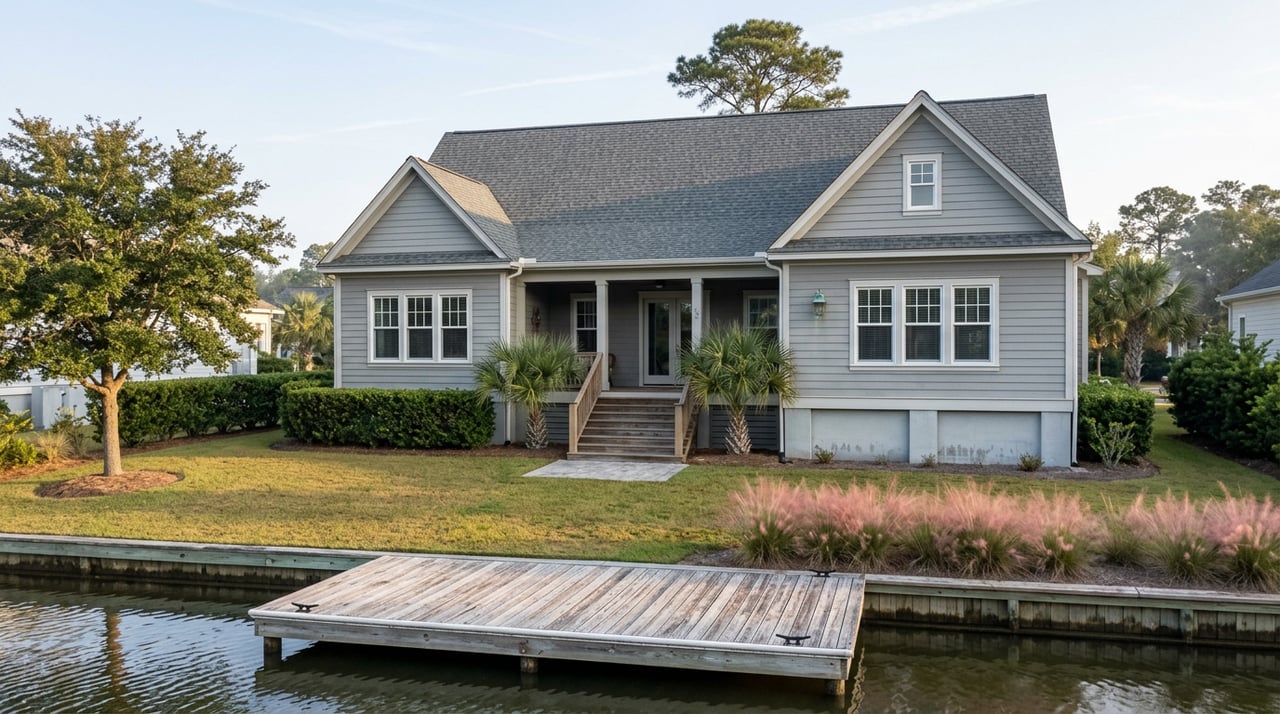
At a high level, oceanfront homes give you the closest possible connection to the beach. You get direct frontage, open water views, and the feeling of living right on the shoreline. For many buyers, that lifestyle is the dream.
Second-row or near-ocean homes usually sit just one row back or within a short walk to public access. You may give up some view and direct frontage, but you can still enjoy a very beach-centered routine, often at a meaningfully lower price. In Carolina Beach and Kure Beach, that gap matters.
Price Differences in Carolina and Kure Beach
The local numbers show a clear price ladder between these two towns. In March 2026, Redfin market data for Carolina Beach showed a median sale price of $595,000, while Kure Beach came in at $880,000. Zillow reflected the same general pattern in home values, with Carolina Beach at $606,035 and Kure Beach at $761,406.
The oceanfront premium becomes even more noticeable in annual coastal market data. According to the 2024 coastal market snapshot, Kure Beach single-family homes averaged $1.21 million, while oceanfront single-family homes averaged $3.22 million. In Carolina Beach, single-family homes averaged $803,369, while oceanfront averaged $850,000, though that oceanfront figure came from only one sale, so it should be viewed with caution.
For most buyers, the takeaway is simple: second-row and near-ocean homes often create a more accessible path to coastal ownership. The exact discount depends on factors like your lot position, the quality of the view, and how close you are to a beach access point.
Carolina Beach Lifestyle
Carolina Beach tends to appeal to buyers who want energy, activity, and easy access to attractions. The town notes that beach access is free, with public parking lots and metered spaces available. The Carolina Beach visitor information page also highlights the Boardwalk District, nearby parking and bike racks, and seasonal events like live music, fireworks, family nights, and the amusement area.
That means a second-row home in Carolina Beach can still put you close to a very active beach lifestyle. If you like the idea of walking to the beach, enjoying the boardwalk, and being near town activity, you may not need to pay full oceanfront pricing to get the experience you want.
Kure Beach Lifestyle
Kure Beach offers a different feel. The town describes itself through practical amenities like eight public beach accesses, downtown parking, and the Kure Beach Fishing Pier and Ocean Front Park. The setting is often seen as quieter and more village-like than Carolina Beach.
For buyers who want a calmer pace, Kure Beach can be a strong fit. A second-row or near-ocean home here may still let you walk easily to the sand, the pier, and the park while avoiding the highest oceanfront price points in one of the area’s more expensive beach markets.
Access Matters More Than You Think
One of the biggest reasons second-row homes stay competitive is beach access. In both Carolina Beach and Kure Beach, public access infrastructure is already part of daily life. That means your experience may depend less on having direct frontage and more on how close the home is to the nearest access point.
When you tour homes, pay attention to the actual walk. A property one row back with an easy beach access nearby may feel far more convenient than a home that looks close on a map but requires a longer or less direct route. In many cases, walkability can deliver much of the beach lifestyle without the full oceanfront premium.
Oceanfront Ownership Risks
Oceanfront living comes with added exposure, and that should be part of your decision. FEMA identifies coastal high-hazard areas as Zone V or VE, where wave action and fast-moving water can cause extensive damage. According to FEMA’s high-hazard area guidance, structures in these zones face stricter floodplain requirements, including elevated foundations on piles or columns.
FEMA also notes that coastal areas carry at least a 26 percent chance of flooding over the life of a 30-year mortgage. For a buyer, that does not mean you should avoid oceanfront property. It does mean you should go in with clear expectations about flood exposure, insurance considerations, and building requirements.
Maintenance and Erosion Considerations
Direct ocean exposure often means more wear over time. Salt air, wind, moisture, and storm impacts can all affect exterior materials, windows, decks, and other components more quickly than homes set back from the shoreline. North Carolina’s coast is also dynamic.
The North Carolina coastal market and shoreline guidance in the research data points to coastal erosion protection as an important consideration, while the state’s environmental context notes shoreline change, sea level rise, and stronger storms as ongoing realities. In practical terms, a second-row home may offer a little more separation from those direct coastal forces while still keeping you close to the beach.
Beach Nourishment Is Part of Ownership
If you are buying along this stretch of coast, beach nourishment should not come as a surprise. The Town of Kure Beach beach nourishment page explains that nourishment decisions are based on storm performance and erosion levels, with the goal of protecting infrastructure and helping reduce property loss. Carolina Beach’s April 2026 project update noted that the Carolina Beach portion of the shared project was complete while the Kure Beach portion was still underway.
For owners, that can mean periodic construction, sand movement, and temporary changes to beach access. This affects both oceanfront and nearby properties, but buyers considering premium oceanfront pricing should be especially comfortable with the reality that shoreline conditions can change over time.
Who Oceanfront Fits Best
Oceanfront is usually the right choice if your top priorities are hard to compromise on. You may be a strong fit for oceanfront if you value:
- Uninterrupted water views
- Immediate access to the sand
- The experience of living directly on the beach
- A premium location that feels special every day
- A budget that supports higher acquisition and ownership costs
For some buyers, those benefits are worth every tradeoff. If the view and direct frontage are the reason you are moving to the coast, second-row may feel like a compromise.
Who Second-Row Fits Best
Second-row or near-ocean homes often make sense if you want coastal living with a little more balance. This option may fit you well if you want:
- Walkable beach access
- A lower purchase price than oceanfront
- Less direct exposure to wind, salt, and surf
- More flexibility in your budget for updates or furnishings
- A beach routine that still feels easy and convenient
In Carolina Beach and Kure Beach, this category often gives buyers a smart middle ground. You can stay close to the water, enjoy the area’s public access points, and keep more room in your budget.
Carolina Beach or Kure Beach?
If you are also deciding between the two towns, your lifestyle matters just as much as the property type. Carolina Beach is generally better aligned with buyers who want an active setting near the boardwalk and seasonal events. You can learn more from the town’s Boardwalk District information.
Kure Beach tends to suit buyers who prefer a quieter environment with easy access to the pier, park, and beach accesses. Neither is universally better. The right fit depends on whether you picture your beach life as more lively and activity-driven or more relaxed and low-key.
Questions to Ask Before You Buy
As you narrow down options, these questions can help you compare homes clearly:
- How much does direct ocean frontage matter to your daily lifestyle?
- Is the property in or near a FEMA flood zone area you should review?
- How far is the nearest public beach access?
- Are you comfortable with the upkeep that comes with stronger coastal exposure?
- Would you rather be near boardwalk or pier activity, or on a quieter block?
- How will beach nourishment or seasonal traffic affect your use of the property?
These questions can quickly reveal whether you are truly an oceanfront buyer or whether second-row gives you most of what you want.
The Bottom Line
There is no one-size-fits-all answer to the oceanfront versus second-row question in Carolina Beach and Kure Beach. Oceanfront gives you the most immersive beach experience, but it also brings a higher price tag, more direct exposure, and added risk considerations. Second-row or near-ocean homes often offer a more balanced path, especially if walkability and lifestyle matter more to you than owning the first line on the sand.
If you want help comparing homes, flood-zone considerations, and block-by-block lifestyle differences in Carolina Beach or Kure Beach, connect with Living By The Coast Realty Group. Our team can help you find the right coastal fit with clear guidance every step of the way.
FAQs
What is the price difference between oceanfront and second-row homes in Carolina Beach and Kure Beach?
- Oceanfront homes usually command a premium over second-row and near-ocean homes, with the gap especially significant in Kure Beach based on the 2024 coastal market snapshot.
Is Carolina Beach or Kure Beach better for a quieter coastal lifestyle?
- Kure Beach is generally the better fit if you want a quieter, more village-like setting, while Carolina Beach tends to offer a more active boardwalk-centered environment.
Can a second-row home still give you easy beach access in Carolina Beach or Kure Beach?
- Yes. Both towns have public beach access infrastructure, so many second-row and near-ocean homes can still support a convenient walkable beach routine.
Do oceanfront homes in Carolina Beach and Kure Beach carry more flood risk?
- Yes. FEMA notes that coastal high-hazard areas, including V and VE zones, face greater wave and flood exposure and stricter building requirements.
Should beach nourishment affect your home search in Carolina Beach or Kure Beach?
- Yes. Beach nourishment is part of coastal ownership here, and it can bring temporary construction, shifting sand conditions, and short-term access changes.