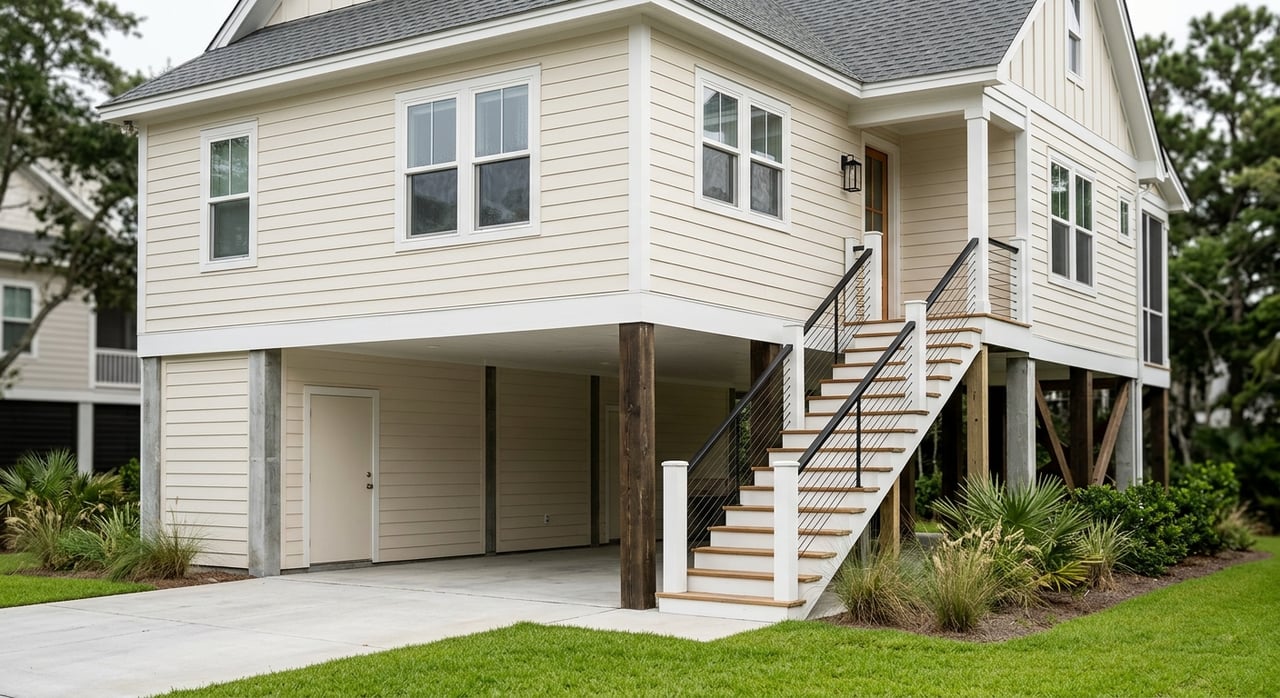
A second home on Oak Island can feel like the dream you have been carrying around for years. Then you start looking at real numbers, flood zones, parking rules, and seasonal crowds, and that dream suddenly needs a solid plan. If you want to buy with confidence, it helps to understand how Oak Island works before you write an offer. Let’s dive in.
Why Oak Island Appeals to Second-Home Buyers
Oak Island offers a coastal setting that is easy to picture yourself enjoying for long weekends, summer stays, and future retirement plans. The town includes nearly 20 square miles of land, about 10 miles of beachfront, with the Atlantic Ocean on one side and the Intracoastal Waterway on the other, according to the Town of Oak Island visitor information.
That layout gives you more than one kind of beach-home experience. Depending on the property, you may be looking at ocean proximity, water views, easier boating access, or a lower-maintenance setup that still keeps you close to the shore.
Oak Island is also highly seasonal. The town says its year-round population is just under 10,000, but summer population can rise to about 50,000 visitors and seasonal residents. For you as a buyer, that means the island can feel very different in July than it does in late fall or winter.
What the Oak Island Market Looks Like
If you are buying a second home here, expect meaningful coastal price points. Recent market snapshots in the research report place Oak Island home values around the high-$600,000 range, with one recent Redfin Oak Island housing market snapshot showing a median sale price of about $690,000.
Just as important, homes often take a few months to sell rather than moving at a lightning-fast pace. That slower rhythm can create room for thoughtful decision-making, but it does not remove the need for a strong strategy when the right property comes along.
For many second-home buyers, the real decision is not just whether to buy on Oak Island. It is what kind of ownership experience you want once you get here.
Choose the Right Property Type
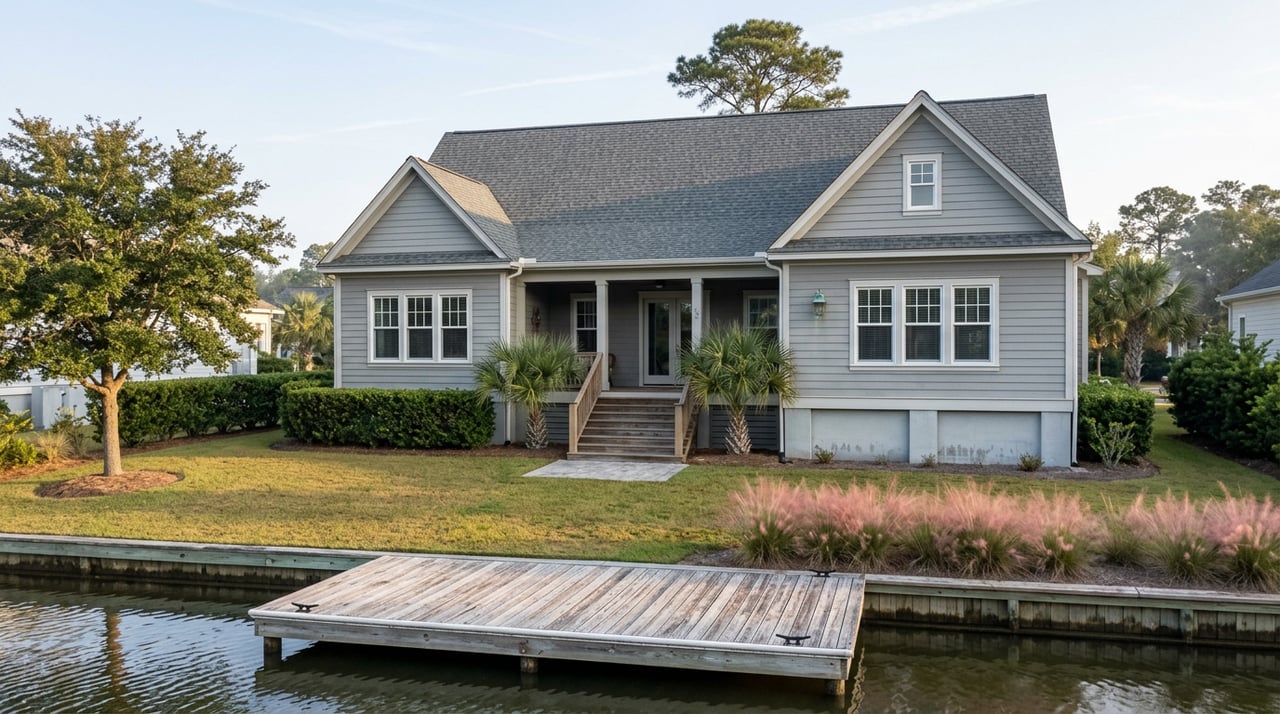
Oak Island offers more variety than many buyers expect. Current listing patterns show a mix of detached homes, condos, townhomes, waterfront properties, and some multi-family options, as seen on Oak Island waterfront listings and property types.
That matters because your best fit may have less to do with square footage and more to do with how you plan to use the home. A detached beach house may offer more privacy and flexibility, while a condo or townhome may reduce some day-to-day upkeep.
Here is a simple way to think about the options:
| Property type | Often appeals to buyers who want | Key consideration |
|---|---|---|
| Detached home | More space, privacy, and classic beach-house living | Typically more exterior maintenance |
| Condo | Lower-maintenance ownership and simpler lock-and-leave use | HOA structure and shared-property rules |
| Townhome | A middle ground between house and condo living | Shared walls and community setup |
| Waterfront home | Direct water-oriented lifestyle and strong view appeal | Insurance, exposure, and upkeep may be higher |
Beach Access Matters More Than You Think
On Oak Island, beach access is not a small detail. It is part of daily life, resale appeal, and how convenient your second home will feel on a busy weekend.
The town provides 65 public beach-access locations, and about 23 of those are designated emergency vehicle access points with wider dune crossings and modified parking layouts. The town also notes that tides and erosion can affect whether a given access point is suitable on a particular day.
That means two homes that look similar on paper may offer very different practical experiences. When you tour properties, pay attention to:
- How close the nearest beach access is
- Whether parking nearby is limited or easier to manage
- How the walkover feels for carrying chairs, coolers, or beach gear
- Whether tides or shoreline conditions may affect ease of use
If you plan to host family or visit often, these details can shape how much you enjoy the property.
Know the Beach Rules Before You Buy
Owning near the water also means following local beach rules that affect everyday use. According to the Town of Oak Island beach rules, beach access is limited to designated walkovers, pathways, and access locations.
The town also says personal beach items must be removed by the end of each day, glass containers are prohibited, and larger tents require inspection. These may sound like small items, but they are part of the ownership routine if you expect to spend a lot of time on the sand.
For second-home buyers, the goal is simple: make sure your expectations match the real experience of owning and using a beach property here.
Plan for Seasonal Traffic and Parking
One of the biggest adjustments for second-home ownership on Oak Island is parking. A casual visitor may only notice it during a holiday weekend, but as an owner, you will want to understand the rules ahead of time.
The town says it now provides nearly 1,500 parking spaces across its beach-access system. Paid parking is enforced from April 1 through September 30, from 9:00 a.m. to 5:00 p.m., while resident-only spaces are enforced until 9:00 p.m. Overnight parking is generally not allowed in public beach-access locations or in the streetside right-of-way within the paid-parking zone.
This seasonal pattern affects more than your beach day. It also affects how and when you should shop for a second home. Shoulder-season and weekday tours are often easier if you want to compare access points, traffic flow, and how different parts of the island feel without peak-season pressure.
Budget Beyond the Mortgage Payment
A second home budget on Oak Island should include much more than principal and interest. Coastal ownership usually comes with layers of recurring costs, and it is better to understand them early.
According to the Town of Oak Island property tax information, the 2025 town tax rate is $0.20 per $100 of value, and Brunswick County’s FY2025-2026 rate is $0.3420 per $100. The town also levies a sewer district fee of $601.78 on the tax bill.
On a $600,000 property, the combined county and town ad valorem tax is about $3,252 per year before the sewer district fee, insurance, utilities, and maintenance. Taxes are due September 1 and become past due after January 5, and they are often prorated at closing.
Utilities should also be part of your planning. The town provides water and wastewater service, with current utility base rates and usage charges published online. The town also notes that utility applications cannot be accepted before closing because proof of ownership is required.
Review Flood and Insurance Questions Early
If you are buying a coastal second home, insurance should be part of your first conversations, not your last ones. Flood and wind exposure can have a major impact on monthly carrying costs and long-term maintenance planning.
Oak Island’s flood and coastal management resources explain that the town can help identify flood zones, provide flood maps, and share elevation-certificate information through its flood and CAMA guidance. FEMA also requires flood insurance for most loans on properties located in Special Flood Hazard Areas.
For you, the takeaway is straightforward. Before you get too far into the process, review the property’s flood-zone status, ask about elevation information when available, and get insurance estimates early enough to protect your budget.
Use Due Diligence to Protect Yourself
North Carolina’s due-diligence process is especially important when buying a second home on the coast. The NC Real Estate Commission’s due-diligence guidance notes that this period commonly includes home, pest, and septic inspections, plus a survey, appraisal, title search, and loan qualification.
That list matters because coastal homes can bring unique questions about moisture, exterior wear, drainage, flood exposure, and property boundaries. You want enough due-diligence time to investigate the home properly and make informed decisions if repairs or issues come up.
This is where an organized local team can make a real difference. A strong process helps you keep deadlines straight, line up inspections, and avoid missing important property-specific details.
Understand the Closing Process
In North Carolina, attorneys still handle much of the real estate closing process. The NC Real Estate Commission explains that attorneys typically manage legal title work and document handling, which makes early coordination important.
For an Oak Island second home, that matters even more because some town-specific steps happen after contract and closing. The town’s utility service connection information says water and wastewater service cannot be transferred until ownership has legally changed and the required documentation is provided.
If you are planning updates after purchase, it is also wise to ask early whether flood, development, or coastal permits may apply. It is always easier to know that before scheduling contractors or setting move-in plans.
Prepare for Lock-and-Leave Ownership
A second home brings a different routine than a primary residence. You are not just buying a place to stay. You are also creating a plan for the weeks when you are not there.
Oak Island notes that its police department security-check courtesy program is for full-time residents, not second properties or vacation homes, according to the town’s public safety information. That means seasonal owners should plan for practical lock-and-leave systems on their own.
A smart second-home plan may include:
- Storm-prep routines before you leave town
- A reliable maintenance contact
- Mail and package management
- Regular check-ins after major weather events
- Clear coordination with nearby contacts when needed
These details are not the glamorous part of buying a beach home, but they can make ownership much less stressful.
A Smart Way to Buy on Oak Island
Buying a second home on Oak Island is exciting, but the best decisions usually come from balancing emotion with preparation. If you understand the market, compare property types carefully, budget for real carrying costs, and investigate flood, parking, and access details early, you will be in a much stronger position to buy well.
That is where local guidance can save you time and help you avoid surprises. If you are thinking about a second home on Oak Island, connect with Living By The Coast Realty Group for knowledgeable, organized support from your first showing through closing.
FAQs
What should you budget for when buying a second home on Oak Island?
- You should plan for more than the mortgage, including town and county property taxes, the sewer district fee, water and wastewater charges, insurance, and ongoing coastal maintenance.
How important is beach access when choosing an Oak Island second home?
- Beach access is very important because convenience, parking, walkover conditions, and changing shoreline conditions can all affect how easy the home is to enjoy.
What kinds of second-home properties can you buy on Oak Island?
- Buyers can find a mix of detached homes, condos, townhomes, waterfront homes, and some multi-family properties depending on current inventory.
When is the best time to tour second homes on Oak Island?
- Weekdays and shoulder-season periods are often easier for comparing neighborhoods, beach access, traffic, and parking without peak summer crowds.
What does due diligence include for an Oak Island home purchase?
- Due diligence often includes home, pest, and septic inspections, along with a survey, appraisal, title search, and loan-related review, giving you time to investigate the property before closing.
Do you need to think about flood insurance before buying on Oak Island?
- Yes, flood and wind exposure can significantly affect ownership costs, and flood insurance is required for most loans on properties in Special Flood Hazard Areas.