Not sure if your Oak Island home needs flood insurance, wind coverage, or both? You are not alone. Coastal policies can feel confusing, especially when lenders, maps, and deductibles all play a role. In a few minutes, you will understand the basics, what drives your premium, and the steps to take before buying or renewing. Let’s dive in.
Why coastal insurance is different in Oak Island
Oak Island sits on a barrier island in Brunswick County, so you face wind, storm surge, and tidal flooding risks that typical inland homes do not. That is why coastal protection usually involves more than one policy. Lenders often require flood insurance when a property is in a FEMA Special Flood Hazard Area, and many carriers use special wind or hurricane deductibles for coastal addresses.
The result is a package approach. You combine homeowner’s insurance, wind or hurricane coverage, and flood insurance. Each has its own deductible, rules, and triggers, so it pays to know how they fit together.
The three policies you may need
Homeowner’s insurance basics
Most owner-occupied single-family homes use an HO-3 policy form. It covers the dwelling and your personal property for many risks, but it excludes flood. On the coast, some carriers add a separate hurricane deductible or limit wind coverage. Others may exclude wind entirely. Always confirm what is covered, what is excluded, and how the deductibles work.
Key points to review on your quotes:
- Dwelling and personal property limits. Make sure they reflect realistic replacement costs.
- Wind and hail coverage. Confirm if wind is included or excluded.
- Deductible structure. Look for percentage deductibles for named storms or hurricanes.
- Endorsements. Consider Loss of Use and Ordinance or Law coverage.
Wind and hurricane coverage
In many coastal policies, wind and hail have a special deductible for hurricanes or named storms. It is often a percentage of your dwelling limit, such as 1 percent to 5 percent, rather than a flat amount. Some insurers restrict or exclude wind in higher-risk areas, which can push you to specialized coastal markets. Compare the deductible types across quotes so you know your true exposure if a storm hits.
Flood insurance 101
Standard homeowner’s policies exclude flood. Rising water, storm surge, and tidal inundation require a separate flood policy. You can buy flood insurance through the National Flood Insurance Program or from private carriers. NFIP policies include building and contents coverage up to program limits, and private policies may offer higher limits or broader terms.
One timing detail matters. NFIP policies usually have a 30-day waiting period before coverage starts. Exceptions exist for certain closing and map-change situations. Private carriers may set different waiting periods. If you are purchasing a home, include flood insurance in your closing timeline.
Flood zones, elevation, and pricing
FEMA flood zones on Oak Island
Flood zones help lenders and insurers understand where and how water might rise in a storm. On Oak Island, many addresses fall in Special Flood Hazard Areas like AE or V zones because of proximity to the ocean or inlet channels. V and VE zones carry higher costs due to wave action and surge risk. If you have a mortgage from a regulated lender and your property is in an SFHA, the lender will typically require flood insurance.
Elevation Certificate and BFE explained
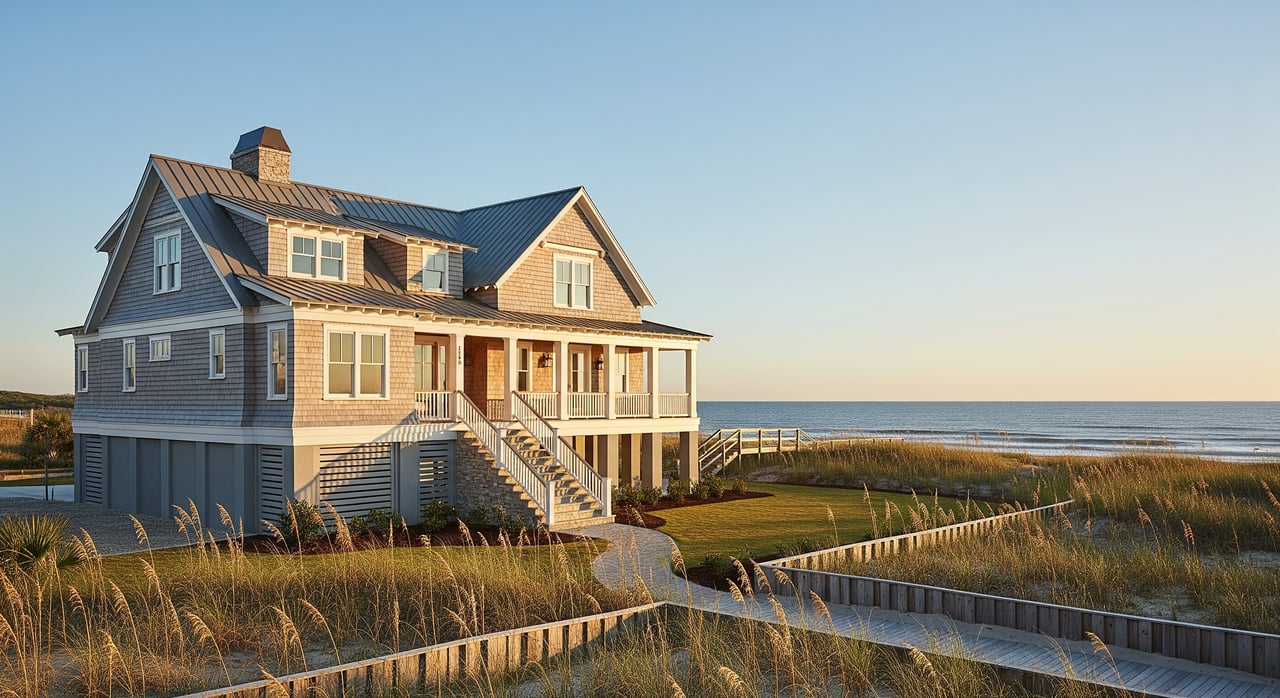
Your building’s first floor elevation compared with the Base Flood Elevation is a major pricing factor. An Elevation Certificate documents these details. If your living area is raised well above BFE, you are likely to see lower flood premiums than a similar home at or below BFE. Homes on pilings often fare better than slab-on-grade construction. When available, an Elevation Certificate can make quotes faster and more accurate.
What drives your premium in Brunswick County
Many factors affect your final premium. The most common ones include:
- Flood zone and proximity to open water or inlets.
- Elevation and foundation type, such as pilings versus slab.
- Age of the home, roof shape, roof attachments, and presence of flood openings.
- Claims history for the property and community.
- Coverage limits, endorsements, and deductible choices.
- Market conditions, including reinsurance costs and carrier capacity.
Recent years have brought more careful pricing by insurers and reinsurers. Programs like NFIP’s Risk Rating 2.0 use more property-specific metrics. Some premiums have gone up while others have gone down, depending on elevation, distance to water, and construction features. Because availability and rates can shift, it is smart to obtain new quotes each year and after any major home improvements.
Ways to reduce risk and cost
You cannot control the weather, but you can improve your risk profile. Insurers often recognize these actions:
- Raise first-floor elevation above BFE, if feasible.
- Install flood vents to relieve pressure on enclosed areas.
- Strengthen roof attachments and consider wind-rated windows or shutters.
- Add a secondary water-resistive barrier under roofing materials during reroofing.
- Pursue recognized standards like the IBHS FORTIFIED Home program where accepted by carriers.
- Keep records of permits, photos, and invoices so credits can be applied.
Some steps are major investments, while others are low-cost upgrades during routine maintenance. Document everything so your insurance professional can include the details in your rating file.
Step-by-step checklists
Before you buy on Oak Island
- Confirm the FEMA flood zone for the parcel and review available maps.
- Ask the seller for current declarations pages for homeowner and flood policies.
- Request any Elevation Certificate on file, or plan to order one.
- Ask about past flood or wind claims and request documentation.
- Get quotes for homeowner’s, wind or hurricane, and flood coverage before closing.
- Verify the lender’s flood determination and any insurance requirements.
- Build the NFIP 30-day waiting period into your closing plan if applicable.
If you are selling
- Share declarations pages and proof of mitigation measures with buyers.
- Disclose past claims and provide documentation.
- Consider a pre-listing roof and wind-readiness check to address small items.
- Provide any available Elevation Certificate or surveys to help buyers get accurate quotes.
For current owners
- Review every policy annually, including limits, endorsements, and deductibles.
- Confirm hurricane or named-storm deductibles and understand the percentage.
- Maintain a photo inventory of personal property and appraisals for high-value items.
- Keep permits and receipts for upgrades, especially roof and elevation work.
- If you receive a non-renewal notice, start shopping immediately and track communications.
When a storm or claim happens
- Notify your insurer promptly and follow their documentation rules.
- Take photos and videos before cleanup, then keep receipts for temporary repairs.
- Prevent further damage when it is safe to do so and document mitigation steps.
- Ask about code-compliance supplements under Ordinance or Law coverage if you have it.
Documents to keep handy
- Declarations pages for homeowner and flood policies.
- Elevation Certificate, surveys, and building plans.
- Permits, invoices, and before-and-after photos for improvements.
- Past claim histories and correspondence.
- Personal property inventory and appraisals.
Timing, deductibles, and the fine print
A few details can make a big difference in cost and peace of mind:
- Hurricane deductibles as percentages. If your dwelling limit is 500,000 dollars and your hurricane deductible is 2 percent, you would pay 10,000 dollars out of pocket for covered wind damage from a named storm before insurance pays. Compare percentage and flat deductibles carefully.
- Waiting periods. NFIP typically imposes a 30-day wait unless you are closing on a loan or certain map changes apply. Private flood carriers may have different timelines.
- Availability can change. Coastal markets are dynamic. Some carriers may reduce capacity or adjust pricing. Shop early, compare coverage forms, and do not assume last year’s policy will be identical this year.
- Ordinance or Law coverage. After a major loss, rebuilding often requires code upgrades. This endorsement helps bridge the cost of bringing older structures to current code.
- Loss of Use coverage. If a covered loss forces you out of the home, Additional Living Expenses can pay for temporary housing and related costs during repairs.
How Living By The Coast Realty Group helps
Insurance choices are personal and policy language is specific, which is why you should consult a licensed insurance professional for quotes and coverage advice. As your real estate partner on Oak Island, we keep your transaction organized so insurance is never an afterthought. Our team coordinates timelines with your lender and closing, helps you gather property documents like disclosures and Elevation Certificates when available, and keeps the process moving through to a smooth settlement.
If you are planning to buy or sell on Oak Island, our coastal experience and systemized transaction support make a complex process easier. When you are ready, reach out to the team at Living By The Coast Realty Group to start your next step with confidence.
FAQs
Do Oak Island homes need separate flood insurance?
- If your property is in a FEMA Special Flood Hazard Area and you have a mortgage from a regulated lender, flood insurance is typically required. Even outside SFHAs, flood coverage is wise because homeowner’s policies exclude flood.
Does homeowner’s insurance cover hurricane damage on Oak Island?
- It may cover wind and hail, but flood and storm surge require separate flood insurance. Check for wind exclusions and confirm your hurricane or named-storm deductible.
What is a hurricane deductible and how is it calculated?
- Many coastal policies use a percentage of your dwelling limit, often 1 percent to 5 percent, that applies to covered wind damage from a named storm or hurricane.
How long does it take for flood insurance to start?
- NFIP policies generally have a 30-day waiting period before coverage begins, with limited exceptions for closings or certain map changes. Private insurers may have different waits.
What is an Elevation Certificate and why does it matter?
- It documents your building’s elevation and features relative to Base Flood Elevation. Accurate data often leads to more precise flood quotes and can reduce premiums when the first floor is well above BFE.
How can I reduce my Oak Island premiums over time?
- Improve elevation and wind resilience, install flood vents, strengthen roof attachments, consider recognized mitigation standards, and keep detailed documentation so credits can be applied.
What documents should I gather before listing or buying?
- Declarations pages for current policies, any Elevation Certificate, permits and receipts for improvements, and claim histories help buyers and insurers price risk accurately.